What happens when you call
-
Tell us what happened. 30 seconds - where the water is and how bad.
-
You're connected with a local restoration crew while you're on the line.
-
The crew confirms timing and sets your arrival time with you directly.
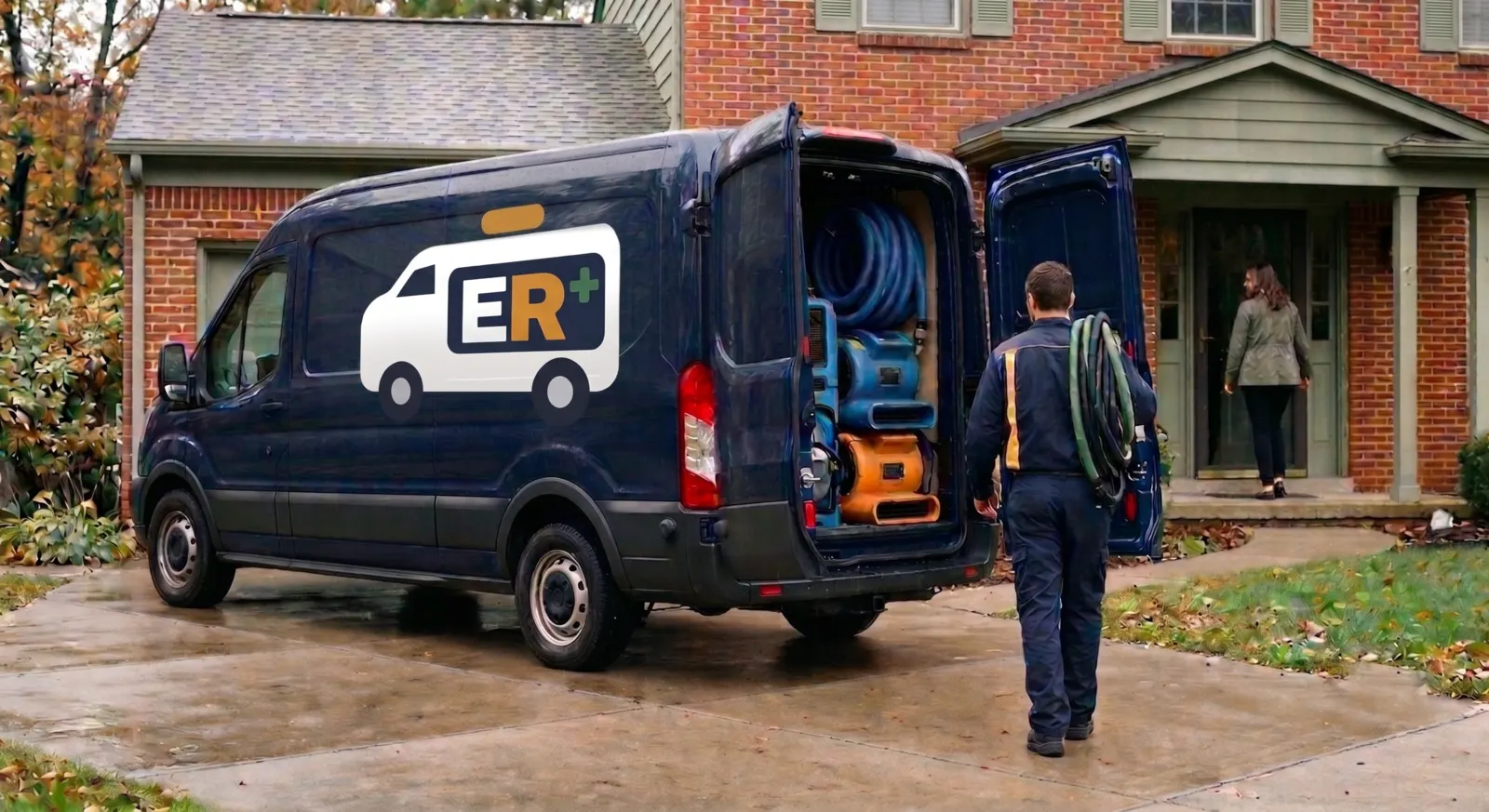
What do Orlando crews handle?
- Burst pipes & supply-line failures
- Slab leaks & flooded rooms
- Sewage backup & extraction
- Storm & roof-leak flooding
- Ceiling leaks & appliance failures
- Structural drying & dehumidification
Common emergencies in Orlando
- Hurricanes
- Tropical storms
- Severe thunderstorms
What's different about water damage in Orlando?
Orlando gets Florida's water without the coastline - hurricane bands crossing the state, daily summer downpours, and a high water table with retention ponds working overtime. CBS slab homes hide their plumbing under concrete, A/C condensate lines clog and overflow in the long cooling season, and damp drywall grows mold as fast here as anywhere on the coast.
Florida policies may have a separate hurricane deductible. Whether it applies depends on the storm and the statutory hurricane period. Check your policy. Everyday losses - burst pipes, A/C overflows, water-heater failures - use your standard deductible. Rising water from any direction is flood insurance, even this far inland.
Your call goes to a crew based in the Orlando area. Serving Orlando, Kissimmee, Sanford, Winter Park, Apopka, Altamonte Springs, and all of Orange County.
Repairing water damage in Orlando: rules, homes, and who to call
In Orlando, the flood map decides how big a repair can get. Inside the city's Special Flood Hazard Area, zones A, AE and AH, repairs costing 50% or more of the building's appraised value count as substantial damage, and the city requires development in flood hazard areas to be elevated one foot above base flood elevation. Contact Permitting Services before you fill, alter or regrade land, and send flood-zone questions to floodplain@orlando.gov. The city posts FEMA elevation certificates on an online map, so check whether one is on file for your address before talking to an adjuster. The state's new permit exemption for small jobs does not apply to any property even partly in a flood hazard area. Flooded areas inside city limits go to the city's flooding hotline, 407.246.2238; that line does not handle water inside your home. A broken water main goes to OUC at (407) 423-9018.
Permits and licensing
Florida licenses general, building, residential, roofing, plumbing and air-conditioning contractors through DBPR's Construction Industry Licensing Board, and electrical contractors through its Electrical Contractors' Licensing Board. Mold assessors and remediators need separate DBPR licenses when growth covers more than 10 square feet. Inside city limits, permits go through Orlando's Permitting Services Division, 407.246.2271. Since July 1, 2026, state law lets owners and contractors of single-family homes skip a building permit for some complete projects under $7,500, after an exemption request is filed. It never covers electrical, plumbing, mechanical, gas, structural or roofing work, or property even partly in a flood hazard area. In the city's Special Flood Hazard Area, repairs costing 50% or more of the building's appraised value count as substantial damage. Suburbs and unincorporated Orange County permit separately.
How Orlando homes are built
Orlando's six historic districts hold many of its oldest houses. The city counts about 570 buildings in Lake Eola Heights, with vernacular clapboard farmhouses from 1890 to 1911 scattered through it. Lake Lawsona, developed from 1911 into the 1950s, is mostly bungalows, and Colonialtown South was built mainly in the 1920s land boom. Changes to properties in these districts go through Certificate of Appropriateness review.
When emergencies cluster
Hurricane season runs June 1 to November 30, and recent storms brought Orlando flooding rain. Irma's center passed between Tampa and Orlando early on September 11, 2017, and Orange County residents were rescued from flooded homes. After Ian's landfall on September 28, 2022, 10 to 20 inches fell across central Florida, flooding Shingle Creek and the Little Wekiva River. Milton, landfall October 9, 2024, dropped 14.83 inches near Orlando.
Water and gas: who handles what
Inside city limits, water comes from the Orlando Utilities Commission (OUC), responsible for the mains and service lines up to and including the meter. Report a main break to OUC's 24-hour line, (407) 423-9018. Leaks past the meter are the owner's: close the house valve or the meter shut-off. If you smell gas, leave the area, call 911, then your gas utility. Peoples Gas customers call (877) 832-6747.
Also serving nearby
Common questions
How fast can someone be here?
Our line is answered 24/7, and you're connected with a local restoration crew while you're on the call. The crew confirms timing and sets your arrival time with you directly.
A/C condensate line flooded the hallway - covered?
Sudden overflow damage is typically covered; water from a line that's been dripping for months is usually treated as a maintenance issue and often isn't. Review your policy, including endorsements. Photograph the damage and the line before cleanup.
Does the hurricane deductible apply to a summer thunderstorm?
Florida policies may have a separate hurricane deductible. Whether it applies depends on the storm and the statutory hurricane period. Check your policy. An ordinary July downpour through wind damage is typically a standard-deductible claim.
Can I skip a permit for small water-damage repairs in Orlando?
Sometimes. Since July 1, 2026, Florida lets owners and contractors of single-family homes skip a building permit for a complete project under $7,500, after filing an exemption request with the city. It never covers electrical, plumbing, mechanical, gas, structural or roofing work, or any property even partly in a flood hazard area. A job cannot be split into smaller ones to stay under the limit.
My Orlando home flooded. Will I have to elevate it?
Only if it is in the city's Special Flood Hazard Area and repairs reach 50% of the building's appraised value. Then the city treats it as substantially damaged, and the rebuild can be held to current floodplain rules, including the city's one-foot-above-base-flood-elevation standard. Email floodplain@orlando.gov or call Permitting Services at 407.246.2271 before signing a repair contract.
How long do I have to report storm or water damage to my Florida insurer?
Florida law generally bars a new or reopened property claim unless the insurer gets notice within one year of the date of loss, and a supplemental claim within 18 months. For a hurricane, the date of loss is landfall; for other storms, it is the date NOAA verifies the event. Your policy may set its own terms, so check it.
Do you work with my insurance?
Many restoration contractors work with adjusters. Ask how billing works on the call, and ask the contractor about documentation and coordination with your adjuster. Sudden, accidental water damage is typically covered by homeowner's insurance. Review your policy, including endorsements.
What does it cost?
It depends on how far the water spread. Ask for a written scope and estimate before work starts. Sudden, accidental water damage is typically covered by homeowner's insurance. Review your policy, including endorsements.
What should I do while I wait?
If it's safe, shut off the water source and power to wet areas, and move valuables up off the floor. The crew handles the rest.