What happens when you call
-
Tell us what happened. 30 seconds - where the water is and how bad.
-
You're connected with a local restoration crew while you're on the line.
-
The crew confirms timing and sets your arrival time with you directly.
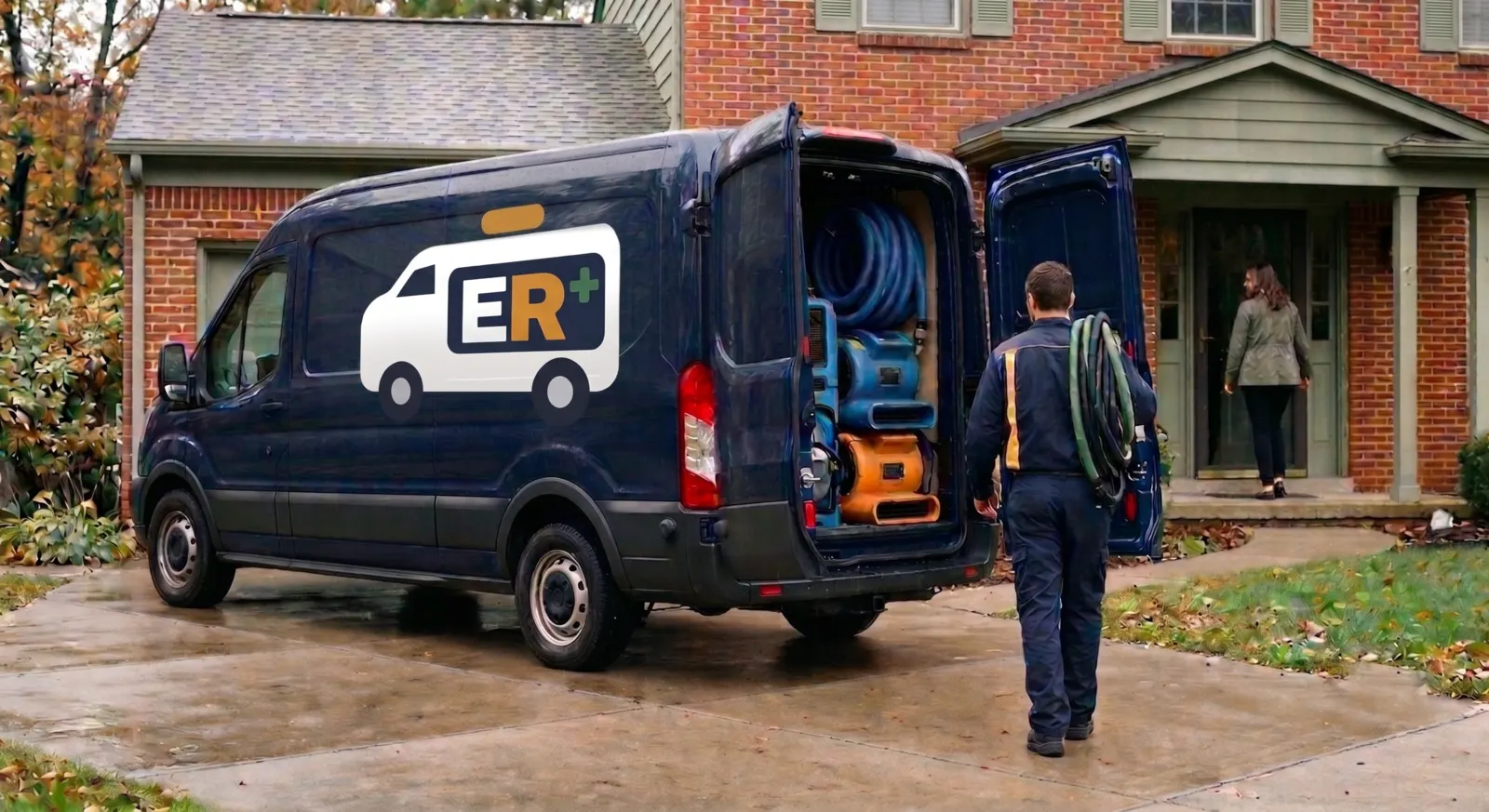
What do Dallas crews handle?
- Burst & frozen pipes
- Slab leaks & flooded crawl spaces
- Sewage backup & extraction
- Storm & roof-leak flooding
- Ceiling leaks & appliance failures
- Structural drying & dehumidification
Common emergencies in Dallas
- Tornadoes
- Hail
- Hard freezes
- Flash flooding
What's different about water damage in Dallas?
Most Dallas-area homes sit slab-on-grade over expansive North Texas clay - soil movement stresses under-slab supply lines, and slab leaks often show up as warm floors or an unexplained water bill. Hard freezes like February 2021 burst pipes in uninsulated attics across Dallas County, and spring hail season drives the roof and ceiling leaks.
Texas policies commonly carry a separate percentage deductible for wind and hail - a different number than your flat deductible, worth checking before storm season. Sudden water losses like burst pipes fall under the standard deductible.
Your call goes to a crew based in the Dallas area. Serving Dallas, Irving, Plano, Garland, Arlington, Mesquite, Richardson, and all of Dallas County.
Repairing water damage in Dallas: rules, homes, and who to call
If your home is in a Dallas floodplain, the size of the repair matters to the city, not just the insurer. Dallas defines substantial damage as damage of any origin costing 50% or more of the structure's pre-damage market value to repair, and it counts improvements from the previous five years toward that total. Over the line, the house must be brought into compliance through a Fill Permit. To show a repair stays under the line, the city's checklist asks for photos, including pre-damage exterior photos if you have them, a cost estimate with backup, the tax or appraised value, a cost worksheet, and signed owner and contractor affidavits. Clean-up and trash removal, permit fees and plug-in appliances can be excluded from the cost. Keep every estimate and receipt. If the water came from a city main, report it to 311.
Permits and licensing
Texas licenses plumbers through the Texas State Board of Plumbing Examiners and electricians through TDLR. Inside Dallas city limits, contractors and trade professionals must also register with the city in DallasNow before pulling permits, and plumbing and electrical permits are pulled by a registered master plumber or master electrician. A building permit is generally needed for structural work. Stopping a leak needs no permit unless pipes, valves or fixtures are replaced or rearranged. In the floodplain, Dallas adds the repair cost to five years of past improvements; at 50% or more of the structure's market or tax value, whichever is greater, the house must be brought into compliance through a Fill Permit, or the scope cut below 50%. Irving, Garland and other suburbs set their own rules.
How Dallas homes are built
The city's historic preservation pages document several older districts. Munger Place, developed around 1905, has over 200 Prairie-influenced homes with broad porches and low hipped roofs. Junius Heights, a 1906 streetcar development, has over 800 Craftsman, Prairie and Tudor houses. Winnetka Heights in Oak Cliff mixes one-story frame bungalows and two-story Prairie Four Squares. Exterior work in historic districts needs a Certificate of Appropriateness first.
When emergencies cluster
NWS Fort Worth records show April and May average the most tornadoes in North and Central Texas. The EF-4 Sunnyvale-Garland-Rowlett tornado on December 26, 2015 killed 10 people. In February 2021, DFW stayed at or below freezing for 139 straight hours and hit -2°F on February 16. August 21-22, 2022 brought 9.19 inches of rain in 24 hours at DFW. January 23-26, 2026 brought sleet, snow and freezing rain.
Water and gas: who handles what
Inside city limits, water is Dallas Water Utilities. Report a main break or street leak to 311 under the water main leak/break category, or use the Dallas 311 app. Gas is Atmos Energy. If you smell gas, leave right away. From a safe distance, call 911 and Atmos at 866-322-8667, and don't assume someone else has reported it. Know where your own main water shut-off is.
Also serving nearby
Common questions
How fast can someone be here?
Our line is answered 24/7, and you're connected with a local restoration crew while you're on the call. The crew confirms timing and sets your arrival time with you directly.
Are slab leaks covered by insurance in Dallas?
The resulting water damage usually is; the plumbing repair itself often isn't, and Texas policies differ on tearing out slab to reach the leak. Photos of the failure point before repairs help the adjuster see what happened.
Does my policy cover hail-related roof leaks?
Wind and hail are typically covered perils in Texas, often with a separate percentage deductible - check your declarations page for that deductible. Note the storm date, since adjusters may compare roof claims against weather data.
Do I need a permit to repair water damage in Dallas?
Often not for a simple leak repair: Dallas exempts stopping leaks in pipes, drains or fixtures unless pipes, valves or fixtures are replaced or rearranged. Structural repairs need a building permit, and plumbing or electrical permits are pulled by a city-registered master plumber or master electrician. In the floodplain, repairs at 50% or more of the structure's value trigger the city's substantial-damage rules.
What mold paperwork should I get in Texas?
Before work starts, you should get TDLR's Consumer Mold Information Sheet and a copy of the assessment consultant's work plan. Within 10 days of finishing, the licensed remediator must give you a Certificate of Mold Damage Remediation, also signed by the consultant. Keep it. The state form says to give your insurer a copy, and you must hand it to a buyer if you sell within five years.
Do I need a permit to re-roof after hail in Dallas?
Usually yes. Dallas requires a residential roofing permit when roofing work exceeds $500 in materials and labor, which nearly every full re-roof does. Tarps and other temporary protection need no permit. Damage to rafters or joists needs a separate building permit. In historic and conservation districts, exterior work also needs city approval before it starts.
Do you work with my insurance?
Many restoration contractors work with adjusters. Ask how billing works on the call, and ask the contractor about documentation and coordination with your adjuster. Sudden, accidental water damage is typically covered by homeowner's insurance. Review your policy, including endorsements.
What does it cost?
It depends on how far the water spread. Ask for a written scope and estimate before work starts. Sudden, accidental water damage is typically covered by homeowner's insurance. Review your policy, including endorsements.
What should I do while I wait?
If it's safe, shut off the water source and power to wet areas, and move valuables up off the floor. The crew handles the rest.