What happens when you call
-
Tell us what happened. 30 seconds - where the water is and how bad.
-
You're connected with a local restoration crew while you're on the line.
-
The crew confirms timing and sets your arrival time with you directly.
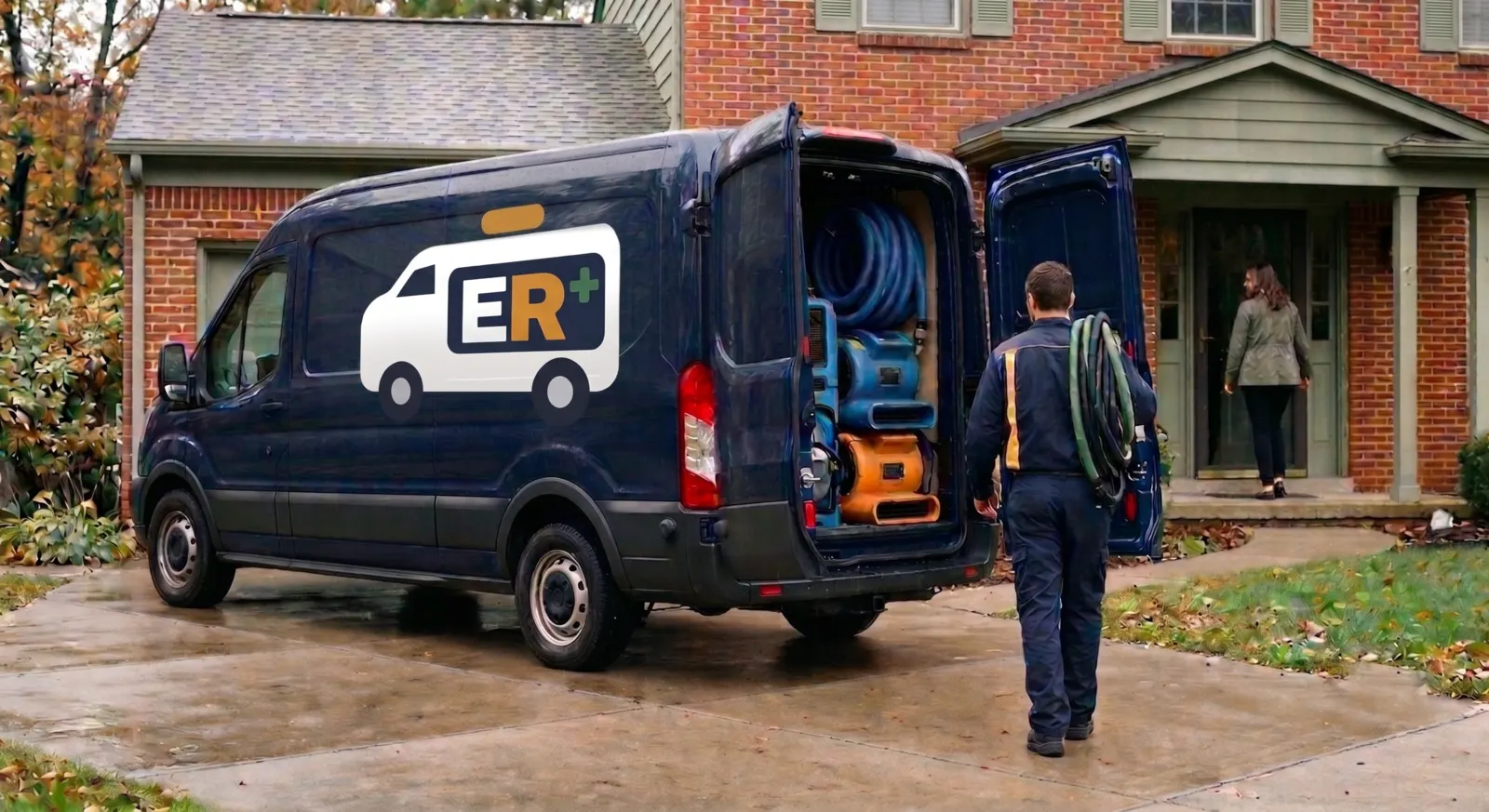
What do Miami crews handle?
- Burst pipes & supply-line failures
- Slab leaks & flooded rooms
- Sewage backup & extraction
- Storm & roof-leak flooding
- Ceiling leaks & appliance failures
- Structural drying & dehumidification
Common emergencies in Miami
- Hurricanes
- Tropical storms
- Flash flooding
- Year-round humidity
What's different about water damage in Miami?
Miami-Dade runs on year-round humidity - wet drywall here can show mold in 24 to 48 hours, faster than almost anywhere else. Hurricane season drives wind-borne rain through windows, sliders, and flat CBS roofs, and salt air corrodes fittings and water-heater tanks well ahead of schedule.
Florida policies may have a separate hurricane deductible. Whether it applies depends on the storm and the statutory hurricane period. Check your policy. Everyday water losses like burst pipes use your standard deductible.
Your call goes to a crew based in the Miami area. Serving Miami, Hialeah, Coral Gables, Miami Beach, Kendall, and all of Miami-Dade County.
Repairing water damage in Miami: rules, homes, and who to call
Before repairs start, find out whether the house sits in FEMA's Special Flood Hazard Area. The City of Miami Building Department can confirm it, and its Microfilm and Records Section holds elevation certificates filed with permits since the 1990s; for an older home, a surveyor can prepare one. In that zone, the city makes a Substantial Damage Determination before issuing repair permits, and repairs at 50% or more of the structure's pre-storm market value mean meeting current floodplain rules, possibly by elevating. Debris removal, cleanup, minor cosmetic work like painting and carpeting, and temporary tarping to prevent further damage need no permit, but water heater, water line, wiring and structural repairs do. Homeowner policies typically do not cover flood; that takes a separate flood policy, so check which one you carry. If WASD supplies your water, report a broken main to its 24-hour line.
Permits and licensing
Florida licenses contractors through DBPR. Its Construction Industry Licensing Board covers general, building, residential, roofing, plumbing and air-conditioning contractors, and a separate board licenses electrical contractors. A certified license is good statewide; a registered one only where the contractor holds local licensure. Inside City of Miami limits, owner-builder permits are limited to owner-occupied one- and two-family homes, and roofing, electrical, mechanical, plumbing and gas permits go only to licensed contractors. In FEMA's Special Flood Hazard Area, the city issues no repair permit until its Substantial Damage Determination is final; repairs at 50% or more of the structure's pre-storm market value require meeting current floodplain rules, which can mean elevating. Mold assessment and remediation contracts must be in writing. Hialeah, Coral Gables, Miami Beach and unincorporated Kendall are permitted separately.
How Miami homes are built
The city's historic districts page calls Morningside one of Miami's most intact historic neighborhoods, with Mediterranean Revival, Art Deco and vernacular houses. Buena Vista, developed in the 1920s Land Boom, has Mediterranean Revival, Mission, Craftsman and Art Deco homes. Bahamian-style frame houses in Overtown and Coconut Grove's Charles Avenue area sit on wood posts or masonry piers. Palm Grove mixes modest bungalows with post-war multifamily buildings.
When emergencies cluster
Hurricane season runs June 1 to November 30, and each storm below struck in late summer or fall. Andrew hit south Miami-Dade on August 24, 1992, as a Category 5. Wilma, on October 24, 2005, gusted to 104 mph at the NWS Miami office. Irma, on September 10, 2017, brought 3 to 5 feet of inundation along Biscayne Bay, slightly over 6 feet in parts of Coconut Grove and Brickell.
Water and gas: who handles what
The Miami-Dade Water and Sewer Department (WASD) serves much of the county directly and wholesales to some cities; check your bill. Its 24-hour line for broken mains, hydrants and meter leaks is 305-274-9272. For a leak inside your property, close your main valve. If you smell gas, leave without touching switches, then call 911 and your gas company from outside. Peoples Gas lists 877-832-6747; otherwise use your bill's number.
Also serving nearby
Common questions
How fast can someone be here?
Our line is answered 24/7, and you're connected with a local restoration crew while you're on the call. The crew confirms timing and sets your arrival time with you directly.
How does my hurricane deductible affect a water claim?
Florida policies may have a separate hurricane deductible. Whether it applies depends on the storm and the statutory hurricane period. Check your policy. A burst pipe in July typically uses your standard deductible - check your declarations page for both numbers.
How fast does mold start in Miami?
In year-round humidity, wet drywall can show growth in 24-48 hours - faster than anywhere else we serve. Drying has to start the same day.
Can I pull my own permit to repair storm damage in Miami?
Only for an owner-occupied one- or two-family home inside City of Miami limits. You prove ownership and residence, sign a notarized disclosure, and pass a short exam at the Building Department. Roofing, electrical, mechanical, plumbing and gas permits go only to licensed contractors, and anyone you pay a fixed fee must be licensed. Permits expire 180 days after issue or the last approved inspection.
How long do I have to report a property damage claim in Florida?
Florida law bars a new or reopened property claim not reported within one year of the date of loss, and a supplemental claim after 18 months. For a hurricane or other weather event, the date of loss is the landfall date or the date NOAA verifies the event. Check your policy for its own notice terms, and report early.
Can the same company test my home for mold and then remove it?
Generally no. Florida law bars a mold assessor from remediating a structure it assessed within the past 12 months, and bars a remediator from assessing one it remediated, apart from a narrow exception for some contractors. Referral payments between them are also prohibited. The rule applies to jobs over 10 square feet. Check both license numbers on DBPR's search.
Do you work with my insurance?
Many restoration contractors work with adjusters. Ask how billing works on the call, and ask the contractor about documentation and coordination with your adjuster. Sudden, accidental water damage is typically covered by homeowner's insurance. Review your policy, including endorsements.
What does it cost?
It depends on how far the water spread. Ask for a written scope and estimate before work starts. Sudden, accidental water damage is typically covered by homeowner's insurance. Review your policy, including endorsements.
What should I do while I wait?
If it's safe, shut off the water source and power to wet areas, and move valuables up off the floor. The crew handles the rest.