What happens when you call
-
Tell us what happened. 30 seconds - where the water is and how bad.
-
You're connected with a local restoration crew while you're on the line.
-
The crew confirms timing and sets your arrival time with you directly.
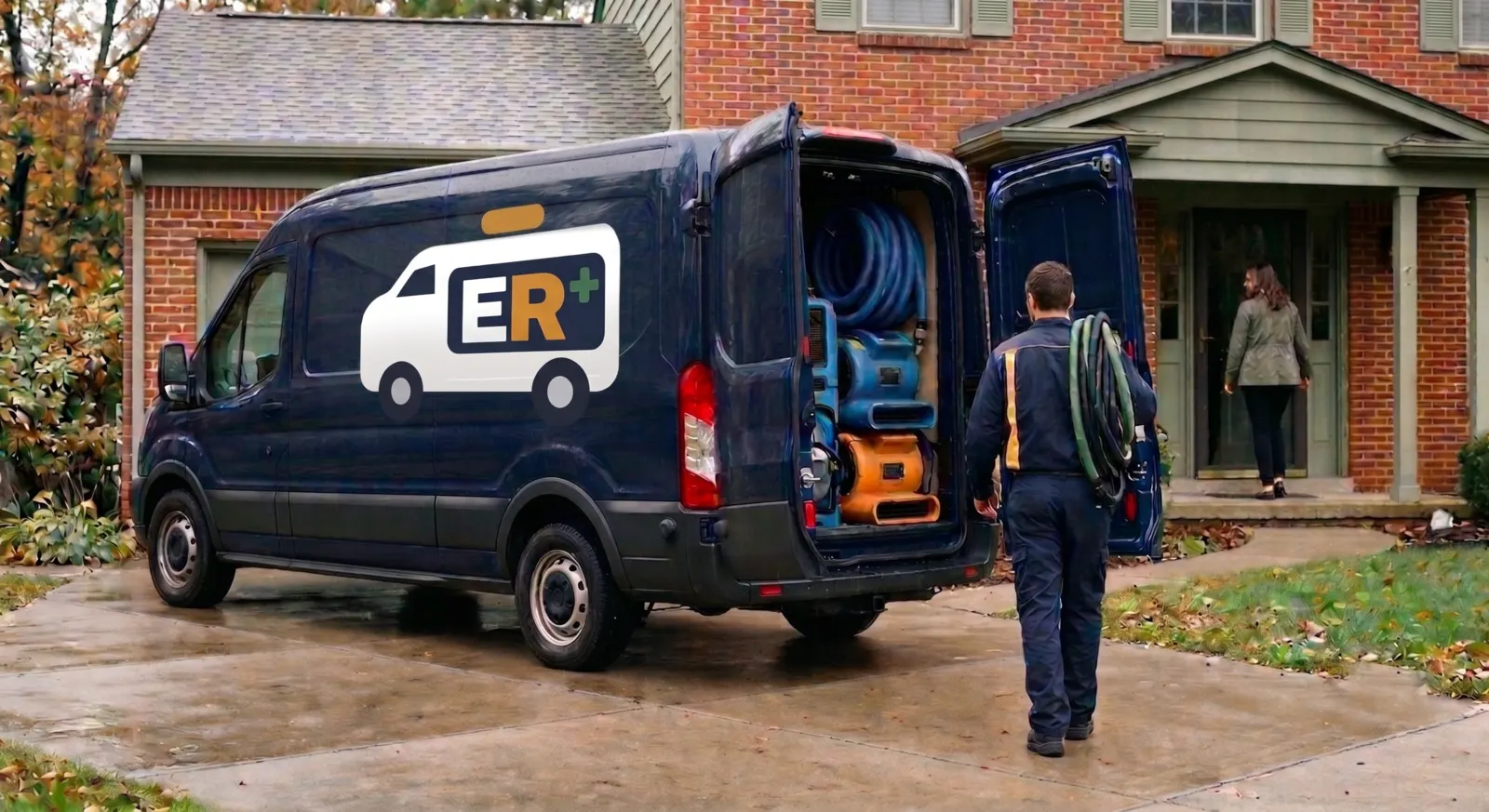
What do Fort Worth crews handle?
- Burst & frozen pipes
- Slab leaks & flooded crawl spaces
- Sewage backup & extraction
- Storm & roof-leak flooding
- Ceiling leaks & appliance failures
- Structural drying & dehumidification
Common emergencies in Fort Worth
- Tornadoes
- Hail
- Hard freezes
What's different about water damage in Fort Worth?
Tarrant County shares North Texas's expansive clay and slab-on-grade construction - shifting soil stresses under-slab plumbing until a line lets go. Fort Worth sits square in hail alley, so spring supercells drive roof and ceiling leaks, and hard freezes burst attic runs from Keller to Euless in the same week.
Texas policies commonly carry a separate percentage deductible for wind and hail - a different number than your flat deductible, worth checking before storm season. Sudden water losses like burst pipes fall under the standard deductible.
Your call goes to a crew based in the Fort Worth area. Serving Fort Worth, Arlington, Keller, North Richland Hills, Euless, and all of Tarrant County.
Repairing water damage in Fort Worth: rules, homes, and who to call
Check your address on the city's Flood Risk Viewer or OneAddress tool before signing a repair contract. If the house is in a FEMA floodplain, Fort Worth requires a building permit for substantial-damage repairs, and any floodplain development without a permit is illegal. When a full repair would cost 50% or more of the building's pre-damage market value, the home must meet the same requirements as a new building, including the city's minimum finished-floor elevation. The city decides this regardless of the repair work you actually do. Floodplain staff: 817-392-6261. Most homeowner's policies do not cover flood, so check your policy. A flood policy on a home in a high-risk area can pay up to $30,000 in Increased Cost of Compliance coverage toward meeting the city's floodplain rules after substantial damage. For a broken city main, call Fort Worth Water at 817-392-4477.
Permits and licensing
Plumbers are licensed by the Texas State Board of Plumbing Examiners and electricians by TDLR. Inside Fort Worth city limits, replacing 16 square feet or more of drywall, or any roof decking, needs a building permit, and plumbing, electrical and mechanical repairs need their own permits. Applicants must be registered building contractors or owner-occupants who qualify for a homestead permit. In a FEMA floodplain, repairs costing 50% or more of the building's pre-damage market value count as substantial damage: they need a building permit and must meet new-building requirements, including the city's minimum finished-floor elevation. For mold, a licensed remediator owes you a Certificate of Mold Damage Remediation within 10 days of finishing. Arlington, Keller and other suburbs set their own permit rules.
How Fort Worth homes are built
City historic-district pages say wood-frame bungalows are the most common house in Fairmount, with Four Squares scattered throughout and the largest concentration built between 1905 and 1920. Morningside's main styles are Tudor Revival, Arts and Crafts and Minimal Traditional. In Historic Carver Heights, construction began around 1950, with Minimal Traditional, Ranch and Contemporary homes. The pages do not describe foundations, so confirm what is under your floor before planning repairs.
When emergencies cluster
The city's floodplain office says Fort Worth flooding comes mainly from heavy local thunderstorms and can happen in any month. Spring brings hail and tornadoes: the Mayfest storm of May 5, 1995 dropped softball-size hail, and a tornado struck Fort Worth on March 28, 2000. Freezes burst pipes: DFW stayed at or below freezing for 139 straight hours in February 2021, and 58 hours in the January 23-26, 2026 storm.
Water and gas: who handles what
Fort Worth Water handles city mains: report a break any hour at 817-392-4477 (option 1) or in the MyFW app, not by email. Know where the shut-off valve on your side of the meter box is. If Atmos Energy is your gas company and you smell gas, leave the area right away, then call 911 and Atmos at 866-322-8667 from a safe distance. Don't assume someone else has reported it.
Also serving nearby
Common questions
How fast can someone be here?
Our line is answered 24/7, and you're connected with a local restoration crew while you're on the call. The crew confirms timing and sets your arrival time with you directly.
Are hail claims and water claims handled differently in Tarrant County?
Usually - wind/hail typically carries a separate percentage deductible while interior water losses use your flat deductible. One storm can produce both; photograph roof and interior damage separately so neither claim shorts the other.
Is a burst attic pipe after a freeze covered?
Typically yes, if the burst was sudden and you followed your policy's freeze precautions - usually maintaining heat, or shutting off the water and draining the pipes. Once it's safe, take steps to prevent further damage; most policies require it. Review your policy, including endorsements.
Do I need a permit to fix hail damage to my roof in Fort Worth?
Not for shingles alone. The city's roofing FAQ says replacing only shingles on a one- or two-family home needs no permit, but replacing any decking does, and re-roofing must add drip edges and crickets where missing. Replacing 16 square feet or more of ceiling drywall after a leak also needs a building permit. Keller, Euless and other suburbs set their own rules.
My Fort Worth home is in a floodplain. Can I start repairs right after a flood?
Check with the city first. Fort Worth requires a building permit for substantial-damage repairs, and floodplain work without a permit is illegal. If a full repair would cost 50% or more of the building's pre-damage market value, the home must meet new-construction elevation rules. Look up your address on the city's Flood Risk Viewer or call the floodplain office at 817-392-6261.
What mold paperwork should I get in Texas?
Ask for TDLR's Consumer Mold Information Sheet before work starts, a copy of the assessment consultant's report, and the Certificate of Mold Damage Remediation within 10 days of completion. The state form tells owners to keep it and give a copy to their insurer. Texas sellers must give buyers every certificate issued in the five years before a sale.
Do you work with my insurance?
Many restoration contractors work with adjusters. Ask how billing works on the call, and ask the contractor about documentation and coordination with your adjuster. Sudden, accidental water damage is typically covered by homeowner's insurance. Review your policy, including endorsements.
What does it cost?
It depends on how far the water spread. Ask for a written scope and estimate before work starts. Sudden, accidental water damage is typically covered by homeowner's insurance. Review your policy, including endorsements.
What should I do while I wait?
If it's safe, shut off the water source and power to wet areas, and move valuables up off the floor. The crew handles the rest.