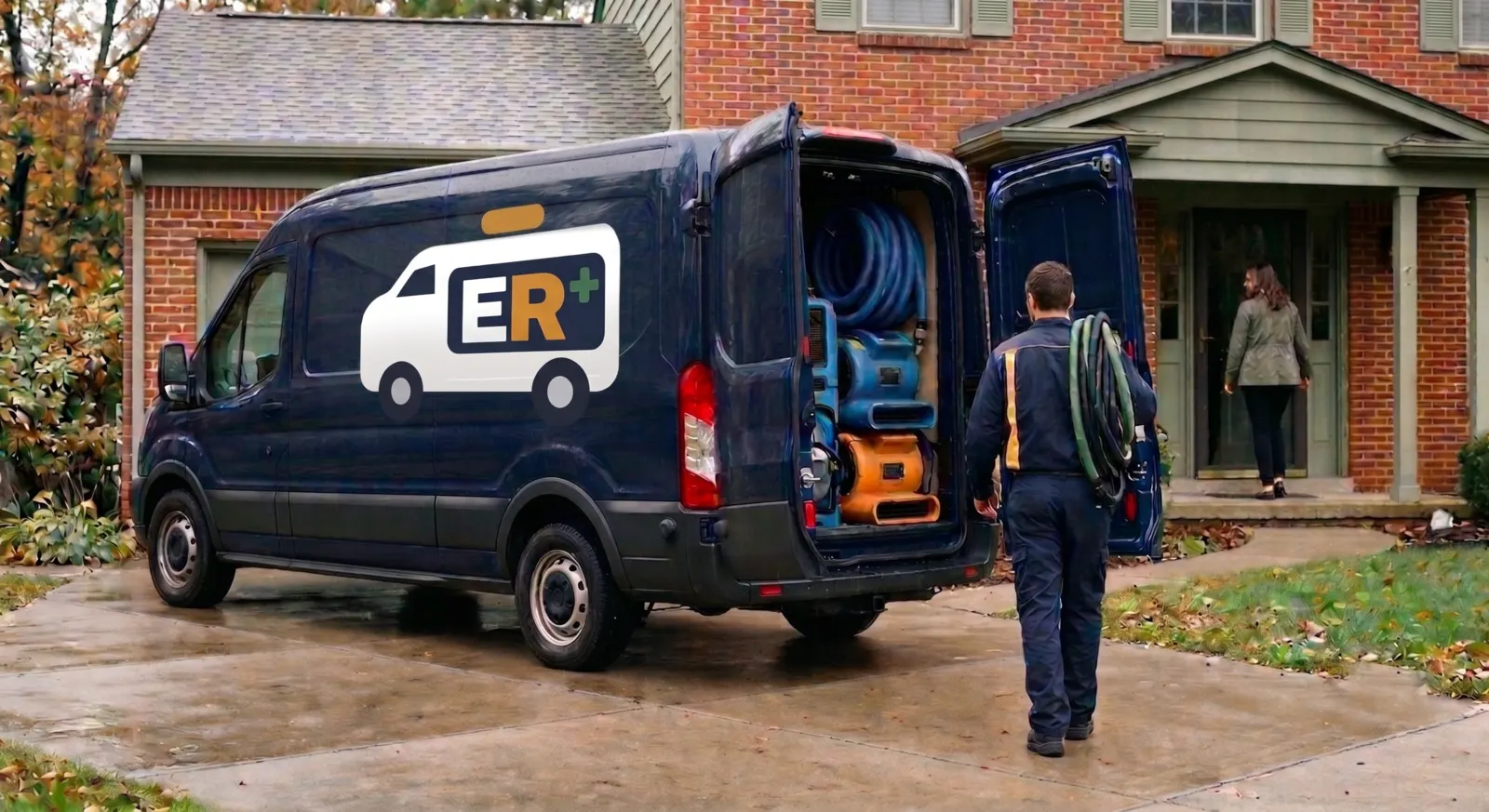
What happens when you call
-
Tell us what you're seeing. 30 seconds - where it is and how far it's spread.
-
You're connected with a local mold remediation crew while you're on the line.
-
The crew confirms your inspection appointment and sets the time with you directly.
What Washington crews handle
What's different in Washington?
DC rowhouses put finished living space below grade, and the city's older combined sewers back up into those basements when summer downpours hit. English basements flood street-first, flat roofs pond, and the region's swampy humidity means anything left damp grows mold quickly - especially behind plaster walls that dry slowly.
District policies cover sudden pipe and appliance failures; water backing up from sewers or drains - the classic DC basement loss - needs its own endorsement. Rising street water is flood insurance, a separate policy, even when it only reaches the areaway door.
Your call goes to a crew based in the Washington area. Serving Washington, Arlington, Alexandria, Bethesda, Silver Spring, Hyattsville, and all of the District.
What to know before repairs in Washington
DC's mold rules center on rental housing. If a tenant lives in the home, the owner must hire a DOEE-licensed mold professional when mold covers more than 10 square feet; smaller areas can be cleaned following DOEE's guidance document. If only the owner lives there, DOEE says no licensed professional is required, though it recommends one. DC law bars anyone from running a residential mold assessment or remediation business without a DOEE license, so check DOEE's list at doee.dc.gov/service/mold before hiring. Tenants should report mold to the landlord in writing. The landlord must inspect within 7 days and remediate within 30 days of the inspection. If that does not happen, contact the Office of the Tenant Advocate or the Housing Conditions Court. DOEE does not perform mold inspections.
Common questions
Should I test first or go straight to removal?
If mold is visible and the moisture source is obvious, go straight to remediation. Test first when mold is hidden, symptoms don't match what you can see, or you need documentation for a claim.
Is mold really that dangerous?
It's a health concern worth taking seriously - especially for kids, older adults, and anyone with asthma or allergies. Removal ends the exposure either way.
Is mold remediation covered by insurance?
Mold remediation may be covered when the mold resulted from a covered sudden water loss, often up to a separate limit. Coverage depends on the cause and your policy's mold exclusions, endorsements and limits. A covered water loss does not automatically establish coverage for mold remediation. Check your declarations page for any mold limit.