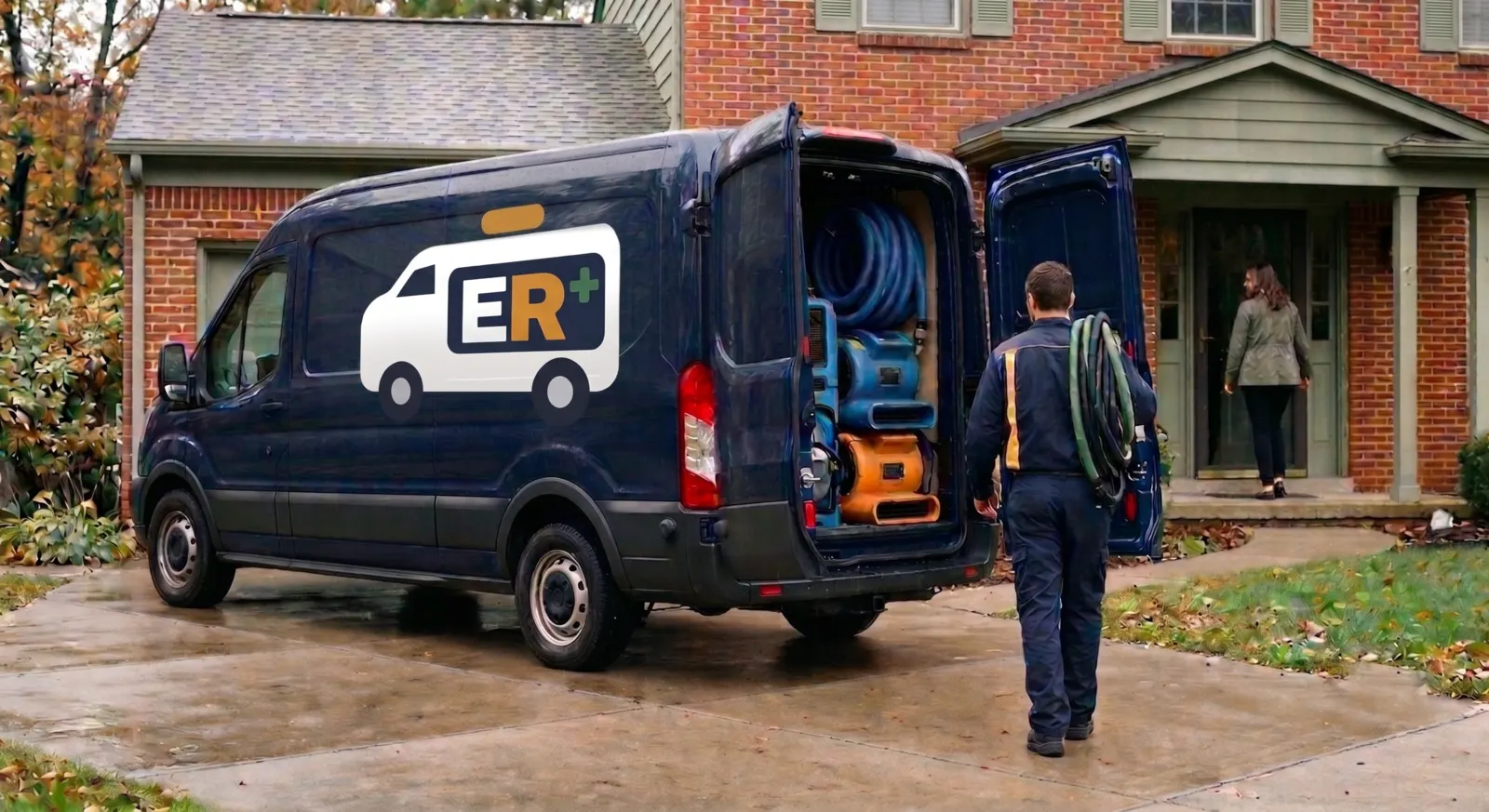
What happens when you call
-
Tell us what you're seeing. 30 seconds - where it is and how far it's spread.
-
You're connected with a local mold remediation crew while you're on the line.
-
The crew confirms your inspection appointment and sets the time with you directly.
What Miami crews handle
What's different in Miami?
Miami-Dade runs on year-round humidity - wet drywall here can show mold in 24 to 48 hours, faster than almost anywhere else. Hurricane season drives wind-borne rain through windows, sliders, and flat CBS roofs, and salt air corrodes fittings and water-heater tanks well ahead of schedule.
Florida requires mold remediators to hold a state DBPR mold remediation license. Ask for the license number before work starts.
Florida policies may have a separate hurricane deductible. Whether it applies depends on the storm and the statutory hurricane period. Check your policy. Everyday water losses like burst pipes use your standard deductible.
Your call goes to a crew based in the Miami area. Serving Miami, Hialeah, Coral Gables, Miami Beach, Kendall, and all of Miami-Dade County.
What to know before repairs in Miami
Florida's DBPR licenses mold assessors and mold remediators separately. The license covers work on more than 10 square feet of mold. Residential owners working on their own property are exempt, as are some other licensed trades unless they hold themselves out as mold assessors or remediators. Contracts must be in writing, signed or otherwise authenticated. The most useful protection: an assessor may not remediate a structure it assessed within the past 12 months, and a remediator may not assess one it remediated, with a narrow statutory exception for some contractors. Neither may pay or accept referral fees from the other, and an assessor may not take a job whose fee depends on its findings. Ask for both license numbers, confirm they belong to different companies, and check them on DBPR's online license search. Complaints go to DBPR. Check your policy for any mold limit.
Common questions
Should I test first or go straight to removal?
If mold is visible and the moisture source is obvious, go straight to remediation. Test first when mold is hidden, symptoms don't match what you can see, or you need documentation for a claim.
Is mold really that dangerous?
It's a health concern worth taking seriously - especially for kids, older adults, and anyone with asthma or allergies. Removal ends the exposure either way.
Is mold remediation covered by insurance?
Mold remediation may be covered when the mold resulted from a covered sudden water loss, often up to a separate limit. Coverage depends on the cause and your policy's mold exclusions, endorsements and limits. A covered water loss does not automatically establish coverage for mold remediation. Check your declarations page for any mold limit.