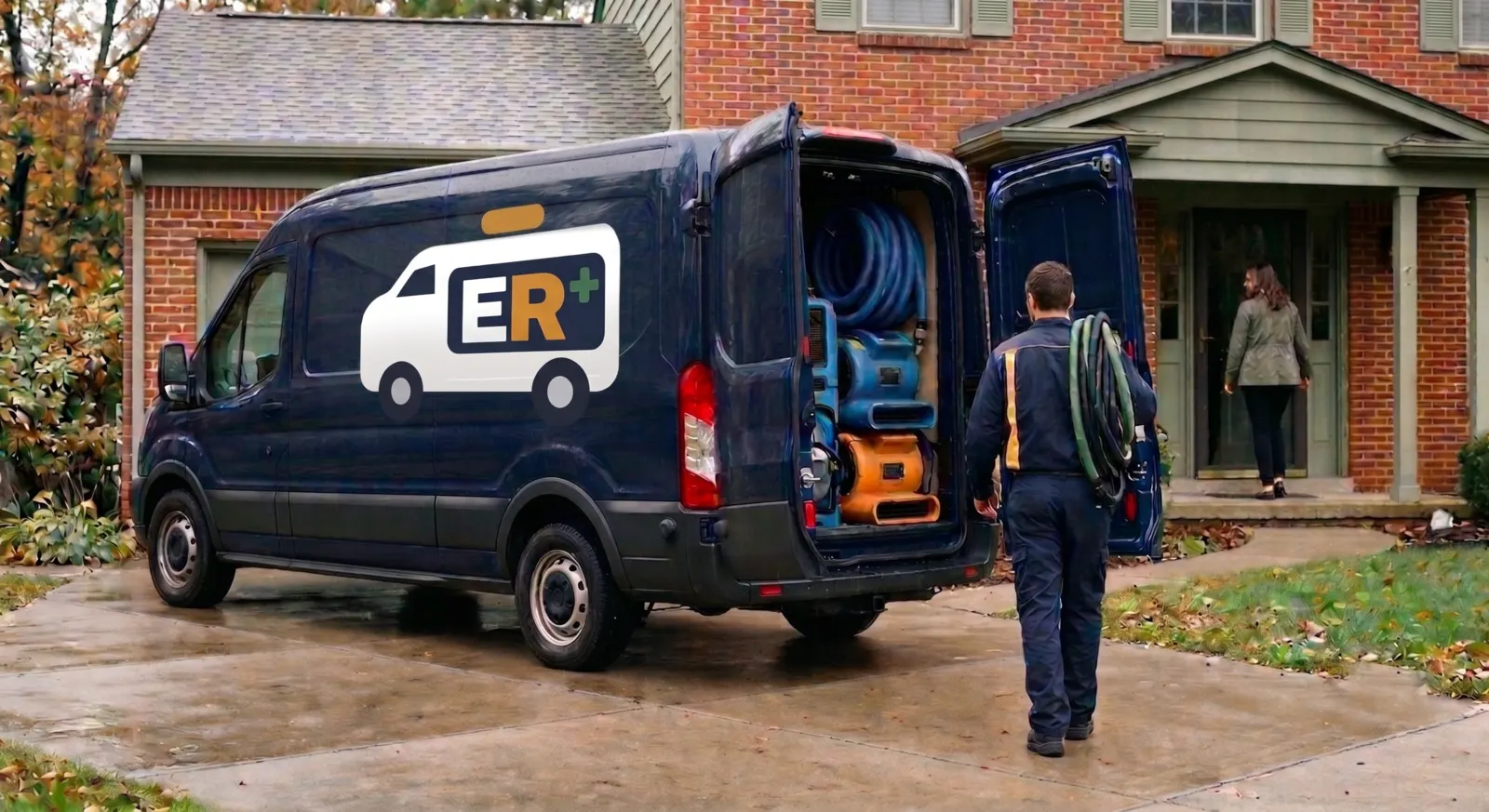
What happens when you call
-
Tell us what happened. 30 seconds - what burned and whether the home is secure.
-
You're connected with a local restoration crew while you're on the line.
-
The crew confirms timing and your arrival time - board-up comes first if the house is open.
What Austin crews handle
What's different in Austin?
Austin's limestone terrain sheds heavy rain fast - Flash Flood Alley storms overwhelm drainage and push water into garages and lower floors with little warning. The 2021 freeze burst pipes across Travis County's fast-built housing stock, much of it with supply runs in uninsulated attics, and growth suburbs add new slab foundations to the mix every year.
Texas policies commonly carry a separate percentage deductible for wind and hail - a different number than your flat deductible, worth checking before storm season. Sudden water losses like burst pipes fall under the standard deductible.
Your call goes to a crew based in the Austin area. Serving Austin, Round Rock, Cedar Park, Pflugerville, Georgetown, and all of Travis County.
What to know before repairs in Austin
Austin lets many fire-damage repairs go through its Express Permit process, but the paperwork is specific. The city asks for a fire incident report from your insurer, the fire department or police, photos of the damaged structure, and a Structural Verification Report stamped and dated by a Texas-registered engineer, or engineered drawings in its place. Express fire repairs must keep the existing floor plan; changing the layout means a full review application. When drywall is repaired under an Express Permit, smoke and carbon monoxide alarms must meet code. Texas requires non-exempt electrical work, such as rewiring by a hired electrician, to be done by a TDLR-licensed electrician working through a licensed electrical contractor.
Common questions
Can we stay in the house?
Depends on smoke spread and structural safety - the crew tells you straight after inspection. If you can't, most policies pay for temporary housing (loss-of-use coverage).
Is fire damage covered by insurance?
Typically yes. Fire is a core homeowner's peril, and coverage usually includes smoke damage, water from firefighting, board-up, and rebuilding, subject to your limits and deductible - check your declarations page for those. Ask the contractor about documentation and coordination with your adjuster.
Should I start cleaning up myself?
It's best to wait on soot cleanup. Wiping soot the wrong way can drive it deeper, and moving debris before photos may reduce what your claim can show. Waiting on cleanup doesn't mean delaying safe steps to prevent further damage, like board-up or tarping once it's safe. Photograph first.