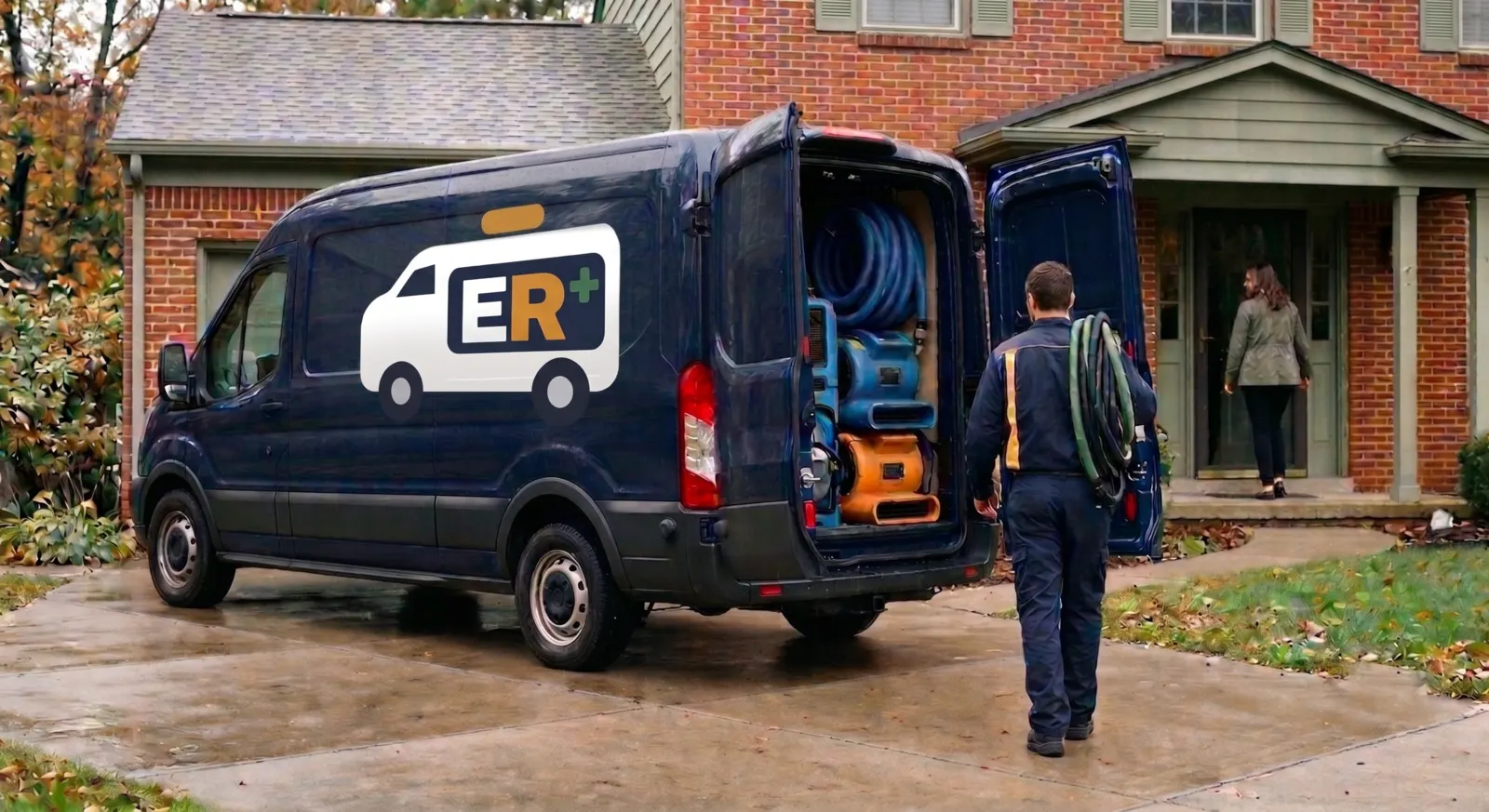
What happens when you call
-
Tell us what you're seeing. 30 seconds - where it is and how far it's spread.
-
You're connected with a local mold remediation crew while you're on the line.
-
The crew confirms your inspection appointment and sets the time with you directly.
What Seattle crews handle
What's different in Seattle?
Seattle's damage is patient: months of steady rain keep crawl spaces damp, moss shortens roof life until a winter storm finds the weak spot, and moisture that would evaporate elsewhere lingers here and feeds mold. The Craftsman-era stock runs original galvanized supply lines, and the occasional cold snap bursts pipes in homes built for mild winters.
Washington policies pay for sudden failures - the burst pipe, the failed water heater. What they don't pay for is the slow stuff this climate specializes in: long-term seepage and gradual leaks read as maintenance. When something lets go, documenting that it was sudden is the whole claim.
Your call goes to a crew based in the Seattle area. Serving Seattle, Bellevue, Renton, Kirkland, Redmond, Shoreline, and all of King County.
What to know before repairs in Seattle
Washington has no specific certification requirement for mold or water damage restoration. The Department of Health says anyone can call themselves a mold remediation specialist, so check the company's L&I contractor registration, bond and insurance. DOH treats an area under about ten square feet, roughly a three-by-three patch, as small enough to clean yourself; mold contaminated by sewage or growing in hidden places calls for a professional. Testing is usually unnecessary when you can see or smell mold. Under RCW 59.18.060, landlords must give new tenants DOH-approved mold information when the lease is signed. If paid work goes wrong, a homeowner has two years from substantial completion or abandonment to sue a registered contractor's bond in Superior Court, and the Attorney General's office takes consumer complaints. DOH's mold information line is 360-236-3090.
Common questions
Should I test first or go straight to removal?
If mold is visible and the moisture source is obvious, go straight to remediation. Test first when mold is hidden, symptoms don't match what you can see, or you need documentation for a claim.
Is mold really that dangerous?
It's a health concern worth taking seriously - especially for kids, older adults, and anyone with asthma or allergies. Removal ends the exposure either way.
Is mold remediation covered by insurance?
Mold remediation may be covered when the mold resulted from a covered sudden water loss, often up to a separate limit. Coverage depends on the cause and your policy's mold exclusions, endorsements and limits. A covered water loss does not automatically establish coverage for mold remediation. Check your declarations page for any mold limit.