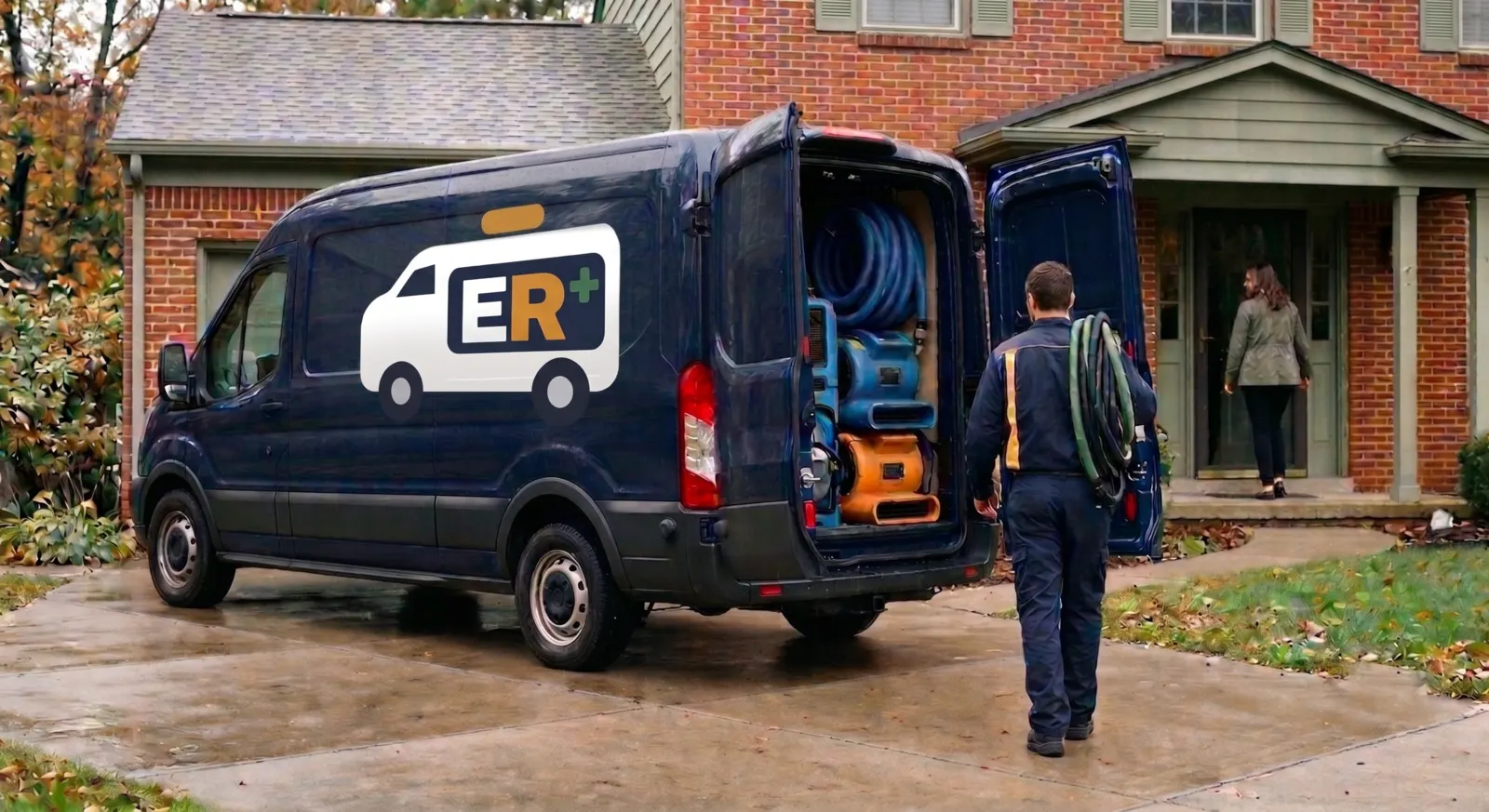
What happens when you call
-
Tell us what you're seeing. 30 seconds - where it is and how far it's spread.
-
You're connected with a local mold remediation crew while you're on the line.
-
The crew confirms your inspection appointment and sets the time with you directly.
What Los Angeles crews handle
What's different in Los Angeles?
Much of LA's housing stock predates 1970 - original galvanized and cast-iron lines corrode and fail behind walls, and slab leaks are routine in post-war neighborhoods. Atmospheric-river storms overwhelm hillside drainage in a single weekend, and seismic movement quietly works plumbing joints loose between the storms.
California policies cover sudden water damage, but pipe breaks caused by an earthquake need separate earthquake coverage, and mold remediation is often capped unless it stems from a covered sudden loss.
Your call goes to a crew based in the Los Angeles area. Serving Los Angeles, Long Beach, Glendale, Pasadena, Torrance, Inglewood, and all of LA County.
What to know before repairs in Los Angeles
California has no state license or certification specific to mold remediation, according to the California Department of Public Health (CDPH). Repair work such as replacing wet drywall still falls under contractor law: if the job is $1,000 or more, needs a permit or uses hired workers, the person doing it needs a CSLB license. LADBS lists drywall replacement in houses and duplexes as an express permit. CDPH says you do not need tests that identify mold types; fixing the moisture source matters most. It says homeowners can usually clean areas under 10 square feet and that a contractor may be better above 100. There is no state completion certificate, so ask for a written scope naming the moisture source and how it was fixed. Renters: state housing law treats dampness or visible mold that endangers health as substandard. In multi-family rentals, call LAHD at (866) 557-7368.
Common questions
Should I test first or go straight to removal?
If mold is visible and the moisture source is obvious, go straight to remediation. Test first when mold is hidden, symptoms don't match what you can see, or you need documentation for a claim.
Is mold really that dangerous?
It's a health concern worth taking seriously - especially for kids, older adults, and anyone with asthma or allergies. Removal ends the exposure either way.
Is mold remediation covered by insurance?
Mold remediation may be covered when the mold resulted from a covered sudden water loss, often up to a separate limit. Coverage depends on the cause and your policy's mold exclusions, endorsements and limits. A covered water loss does not automatically establish coverage for mold remediation. Check your declarations page for any mold limit.