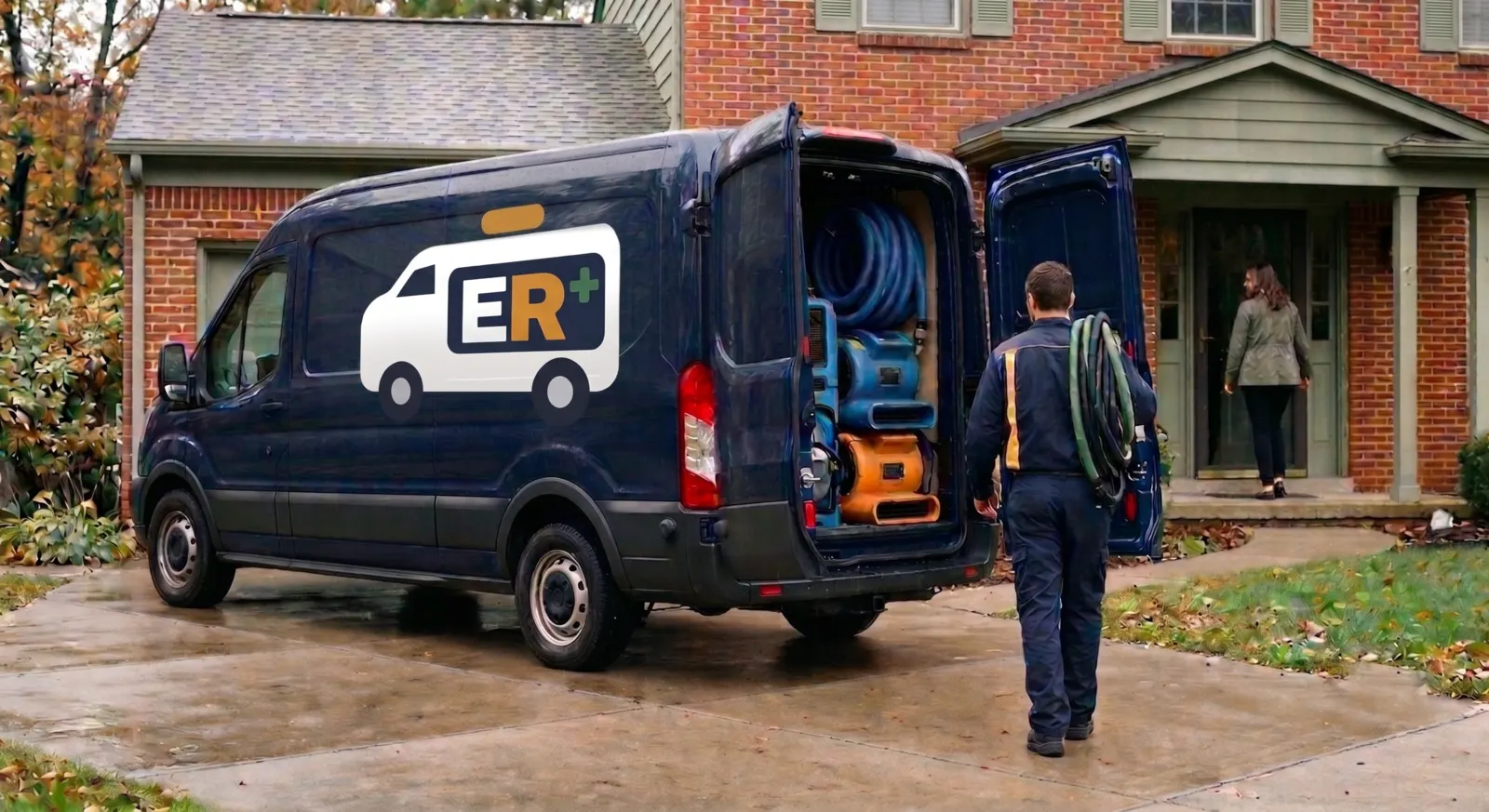
What happens when you call
-
Tell us what you're seeing. 30 seconds - where it is and how far it's spread.
-
You're connected with a local mold remediation crew while you're on the line.
-
The crew confirms your inspection appointment and sets the time with you directly.
What Denver crews handle
What's different in Denver?
Denver sits in the most hail-battered metro in the country - spring storms punch roofs, and the ceiling leak shows up two rains later. Sixty-degree temperature swings work pipes hard, hard freezes burst them in uninsulated exterior walls, and the finished basements that come standard here turn any of it into a bigger loss. Wildfire seasons add smoke-odor calls even far from the fire line.
Colorado policies increasingly carry a separate wind/hail deductible - often a percentage of dwelling coverage rather than a flat number - while interior water losses use your standard deductible. One storm can trigger both. Check your declarations page before hail season.
Your call goes to a crew based in the Denver area. Serving Denver, Aurora, Lakewood, Arvada, Westminster, Centennial, and all of Denver County.
What to know before repairs in Denver
Colorado has no state mold license, and the state health department, CDPHE, says it does not regulate mold. No state certificate or form comes with a mold job here, so the paperwork is up to you: get a written scope, ask what caused the moisture and how it was fixed, and keep photos and invoices for your insurance file. Tearing out moldy drywall can trigger state asbestos rules, covered in the FAQ below, so ask before demolition starts. Renters have more protection: mold that affects health and safety falls under Colorado's landlord-tenant warranty of habitability, and CDPHE points tenants to Colorado Housing Connects at 1-844-926-6632 for help and template forms. To confirm a contractor holds a Denver license, call Denver Contractor Licensing at (720) 865-2770.
Common questions
Should I test first or go straight to removal?
If mold is visible and the moisture source is obvious, go straight to remediation. Test first when mold is hidden, symptoms don't match what you can see, or you need documentation for a claim.
Is mold really that dangerous?
It's a health concern worth taking seriously - especially for kids, older adults, and anyone with asthma or allergies. Removal ends the exposure either way.
Is mold remediation covered by insurance?
Mold remediation may be covered when the mold resulted from a covered sudden water loss, often up to a separate limit. Coverage depends on the cause and your policy's mold exclusions, endorsements and limits. A covered water loss does not automatically establish coverage for mold remediation. Check your declarations page for any mold limit.