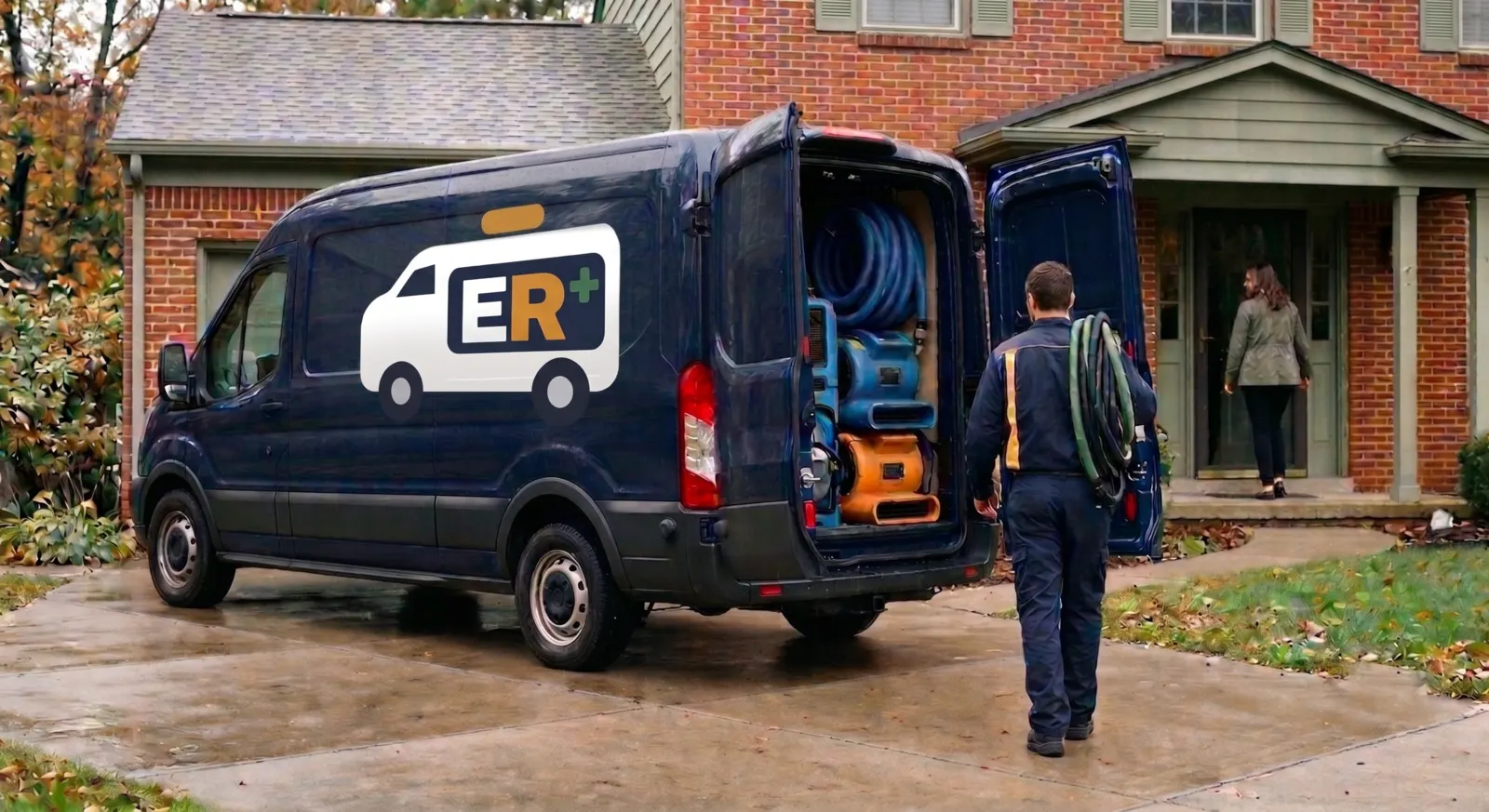
What happens when you call
-
Tell us what happened. 30 seconds - what burned and whether the home is secure.
-
You're connected with a local restoration crew while you're on the line.
-
The crew confirms timing and your arrival time - board-up comes first if the house is open.
What Nashville crews handle
What's different in Nashville?
Nashville floods fast - the 2010 and 2021 events proved how quickly creeks take whole neighborhoods, and ordinary thunderstorms flash-flood the low spots every year. Tornado season brings roof and structural damage, and the metro's fast-built growth stock runs slab foundations and attic plumbing that hard freezes catch off guard.
Tennessee policies treat wind and storm openings as standard perils; rising creek or street water is flood insurance, a separate policy many Nashville homeowners learned about the hard way in 2010. Freeze-bursts are covered when the home was reasonably heated.
Your call goes to a crew based in the Nashville area. Serving Nashville, Franklin, Brentwood, Hendersonville, Murfreesboro, Smyrna, and all of Davidson County.
What to know before repairs in Nashville
Fire and tornado repairs often reach the roof and frame. Metro Codes requires a permit to replace more than a third of a roof, replace roof decking over 64 square feet, or replace structural members such as joists, rafters and studs. In a historic preservation overlay like Edgefield, Germantown or Woodland-in-Waverly, exterior repairs also need Metro Historic Zoning Commission review, and a Preservation Permit is needed to complete the building permit. You can apply for both at the same time. Edgefield's guidelines also warn that mortar high in portland cement can damage historic brick.
Common questions
Can we stay in the house?
Depends on smoke spread and structural safety - the crew tells you straight after inspection. If you can't, most policies pay for temporary housing (loss-of-use coverage).
Is fire damage covered by insurance?
Typically yes. Fire is a core homeowner's peril, and coverage usually includes smoke damage, water from firefighting, board-up, and rebuilding, subject to your limits and deductible - check your declarations page for those. Ask the contractor about documentation and coordination with your adjuster.
Should I start cleaning up myself?
It's best to wait on soot cleanup. Wiping soot the wrong way can drive it deeper, and moving debris before photos may reduce what your claim can show. Waiting on cleanup doesn't mean delaying safe steps to prevent further damage, like board-up or tarping once it's safe. Photograph first.