How the crew works
- A walkthrough first - nothing is removed without a yes
- Sorting room by room: keep, donate, discard - your family decides
- Deep cleaning and repairs once rooms are clear
- Discreet scheduling, unmarked vehicles on request
What happens when you call
-
Tell us what you're comfortable sharing. A person answers - no menus, no judgment.
-
You're connected with a local crew that handles hoarding cleanup.
-
The crew confirms timing with you and talks through what stays, what goes, and the pace.
Why families call a specialized crew
Hoarding cleanup is rarely just clutter - underneath there's often water damage, mold, or biohazard conditions that need certified handling, not a dumpster rental.
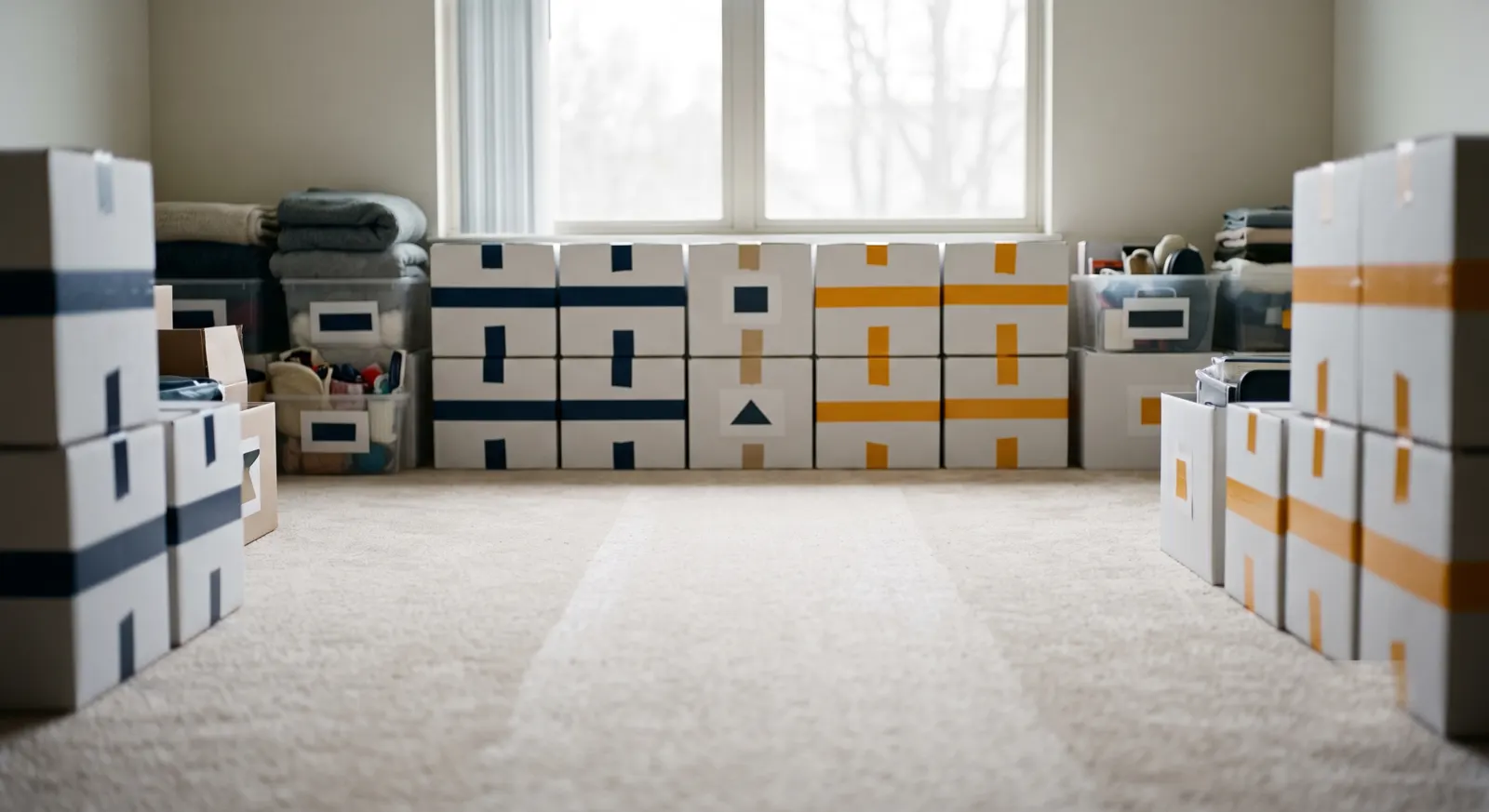
The pace matters as much as the work. Crews sort with your family room by room, set aside documents, photos, and valuables, and treat the home - and the person who lives there - with respect.
Local to Franklin County
Columbus mixes both failure modes: fast-built growth suburbs with attic plumbing and finished basements, and older in-town stock with supply lines at end of life. Hard freezes burst pipes on both sides of that line, spring thunderstorms test sump pumps across Franklin County, and summer humidity keeps anything left damp growing.
In Ohio the coverage that catches homeowners out is sewer and sump backup - both need their own endorsement, an add-on many policies skip. Sudden pipe and appliance failures fall under the standard policy; frozen pipes are covered when the home was reasonably heated.
Serving Columbus, Dublin, Westerville, Grove City, Hilliard, Reynoldsburg, and all of Franklin County.
Questions families ask
Will they throw everything away?
No - nothing leaves the home without your family's OK. Sorting is keep, donate, discard, and your family makes those calls room by room.
How long does it take?
It depends on the home. The walkthrough produces an honest estimate - for most homes it's a matter of days, planned around your family's schedule.
Does insurance cover hoarding cleanup?
The clearing itself typically isn't covered. Damage found underneath, like water, mold, or biohazard conditions, may be if it came from a covered cause. Review your policy, including endorsements. Document what's found.