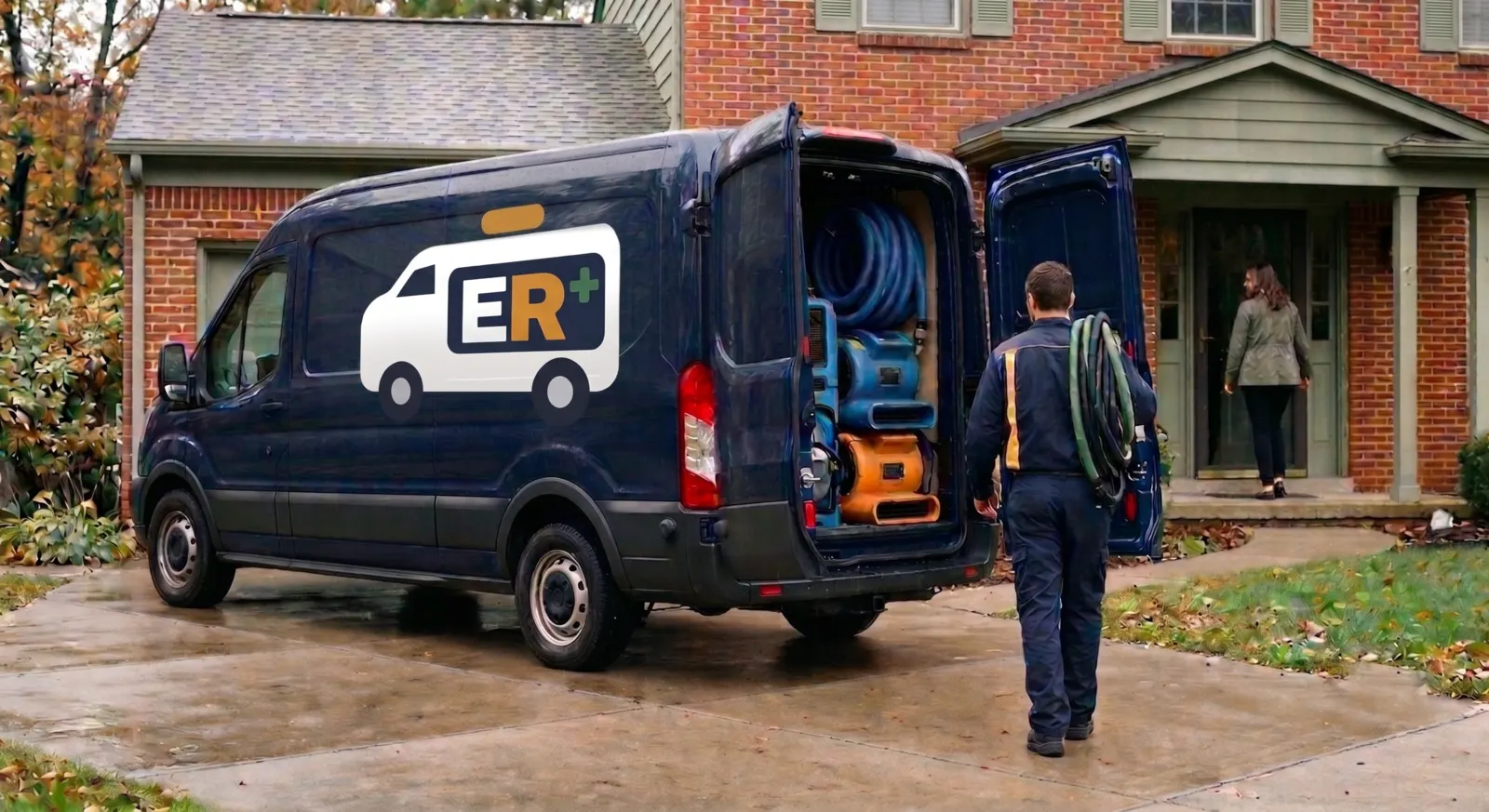
What happens when you call
-
Tell us what you're seeing. 30 seconds - where it is and how far it's spread.
-
You're connected with a local mold remediation crew while you're on the line.
-
The crew confirms your inspection appointment and sets the time with you directly.
What Phoenix crews handle
What's different in Phoenix?
Phoenix water damage peaks in monsoon season - July-to-September microbursts drive rain under parapet flat roofs and through evaporative-cooler penetrations. The rest of the year it's failed water heaters, AC condensate lines, and supply lines aged by hard water. Desert heat dries surfaces deceptively fast while wall cavities stay wet - which is exactly where mold starts.
Monsoon wind damage and wind-driven rain are standard homeowner's coverage in Arizona, but street or wash flooding entering the home is not - that requires separate flood insurance. Sudden plumbing failures fall under the standard policy.
Your call goes to a crew based in the Phoenix area. Serving Phoenix, Mesa, Scottsdale, Tempe, Chandler, Glendale, and all of Maricopa County.
What to know before repairs in Phoenix
Arizona has no mold-specific license, no required mold assessment and no state certificate when cleanup ends, so the paperwork you get is the paperwork you ask for. Request a written scope, moisture readings and before-and-after photos. The repair work that comes with mold cleanup, such as replacing drywall, falls under the contractor rules: an ROC license is required unless the whole job is under $1,000 and needs no permit. Look up the license number before signing. The Arizona Department of Health Services advises fixing the moisture source first and does not recommend testing as a first step; its info sheet notes public health agencies do not sample private homes. After a flood, it advises removing wallboard at least 12 inches above the high-water mark. Complaints about a licensed contractor go to the ROC, generally within two years of the work's completion.
Common questions
Should I test first or go straight to removal?
If mold is visible and the moisture source is obvious, go straight to remediation. Test first when mold is hidden, symptoms don't match what you can see, or you need documentation for a claim.
Is mold really that dangerous?
It's a health concern worth taking seriously - especially for kids, older adults, and anyone with asthma or allergies. Removal ends the exposure either way.
Is mold remediation covered by insurance?
Mold remediation may be covered when the mold resulted from a covered sudden water loss, often up to a separate limit. Coverage depends on the cause and your policy's mold exclusions, endorsements and limits. A covered water loss does not automatically establish coverage for mold remediation. Check your declarations page for any mold limit.