What happens when you call
-
Tell us what you're seeing. 30 seconds - where it is and how far it's spread.
-
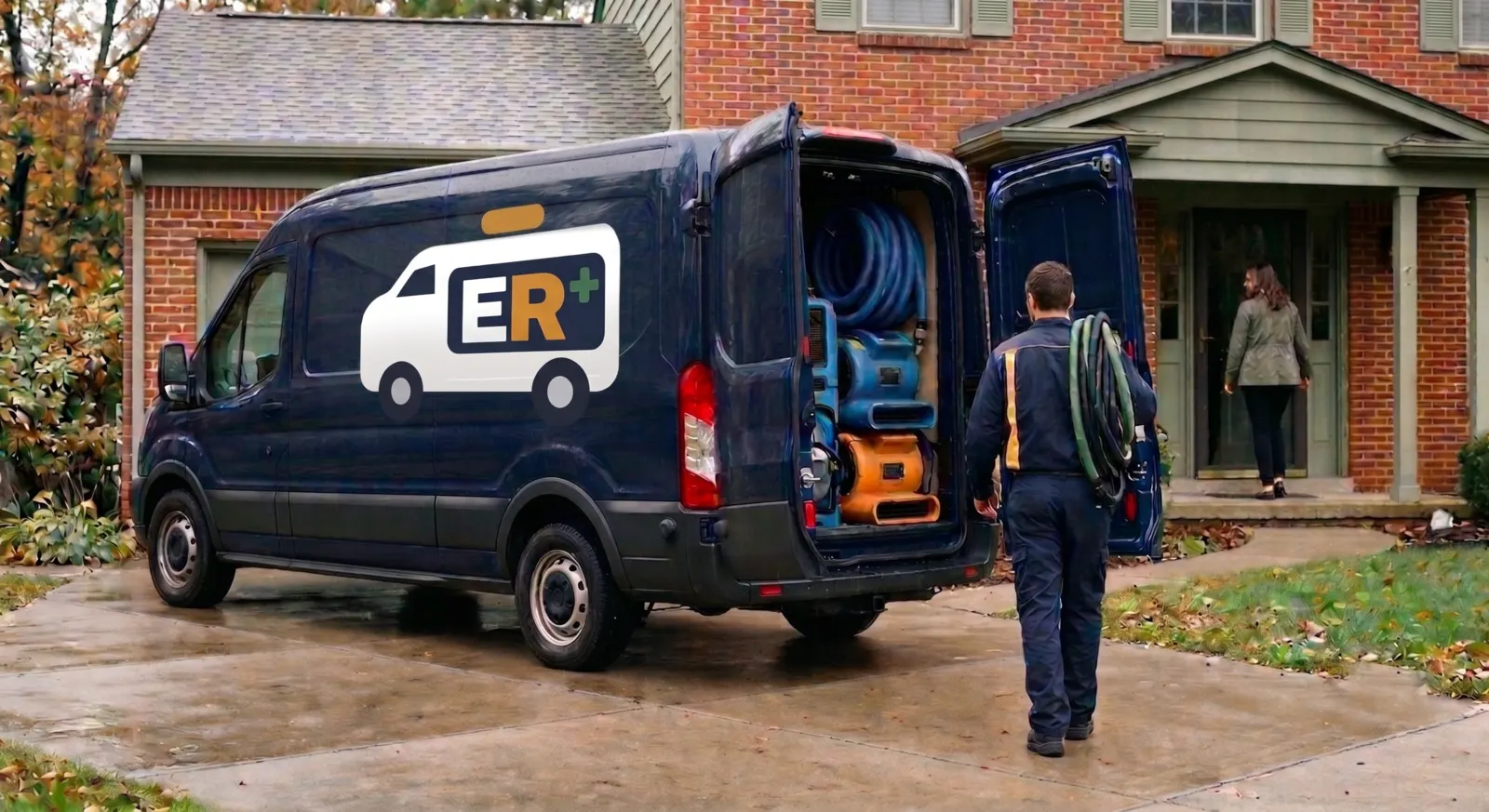
You're connected with a local mold remediation crew while you're on the line.
-
The crew confirms your inspection appointment and sets the time with you directly.
What Houston crews handle
What's different in Houston?
Houston's high water table, flat terrain, and Gulf humidity mean water lingers once it's in. Crawl spaces under older pier-and-beam homes hold moisture for weeks, slab neighborhoods take water street-to-door in tropical downpours, and in this humidity wet drywall can start growing mold in under 48 hours - drying has to start the same day.
Texas regulates mold remediation: if you hire a contractor for 25 contiguous square feet or more of mold, Texas requires a TDLR-licensed remediator. Ask for the license number before work starts.
Texas policies commonly carry a separate percentage deductible for wind and hail - a different number than your flat deductible, worth checking before storm season. Sudden water losses like burst pipes fall under the standard deductible.
Your call goes to a crew based in the Houston area. Serving Houston, Katy, Sugar Land, Pasadena, The Woodlands, Baytown, and all of Harris County.
What to know before repairs in Houston
Texas law requires a mold assessment before remediation begins, and a licensed remediator must hand you a Certificate of Mold Damage Remediation within 10 days of finishing, signed by both the remediator and the assessment consultant, stating whether the underlying moisture cause was fixed. Unlicensed cleanup of less than 25 contiguous square feet is allowed, but a licensed remediator you hire must follow the full rules at any size, including the certificate. Keep it: insurers may ask for it, and Texas sellers must give buyers every such certificate issued in the five years before a sale. Remediators must also give you TDLR's Consumer Mold Information Sheet once a contract is signed and a copy of every photo in the project record. Complaints about assessors or remediators go to TDLR, which also runs the public license search. The certificate documents the work; it does not by itself decide an insurance claim.
Common questions
Should I test first or go straight to removal?
If mold is visible and the moisture source is obvious, go straight to remediation. Test first when mold is hidden, symptoms don't match what you can see, or you need documentation for a claim.
Is mold really that dangerous?
It's a health concern worth taking seriously - especially for kids, older adults, and anyone with asthma or allergies. Removal ends the exposure either way.
Is mold remediation covered by insurance?
Mold remediation may be covered when the mold resulted from a covered sudden water loss, often up to a separate limit. Coverage depends on the cause and your policy's mold exclusions, endorsements and limits. A covered water loss does not automatically establish coverage for mold remediation. Check your declarations page for any mold limit.