What happens when you call
-
Tell us what you're seeing. 30 seconds - where it is and how far it's spread.
-
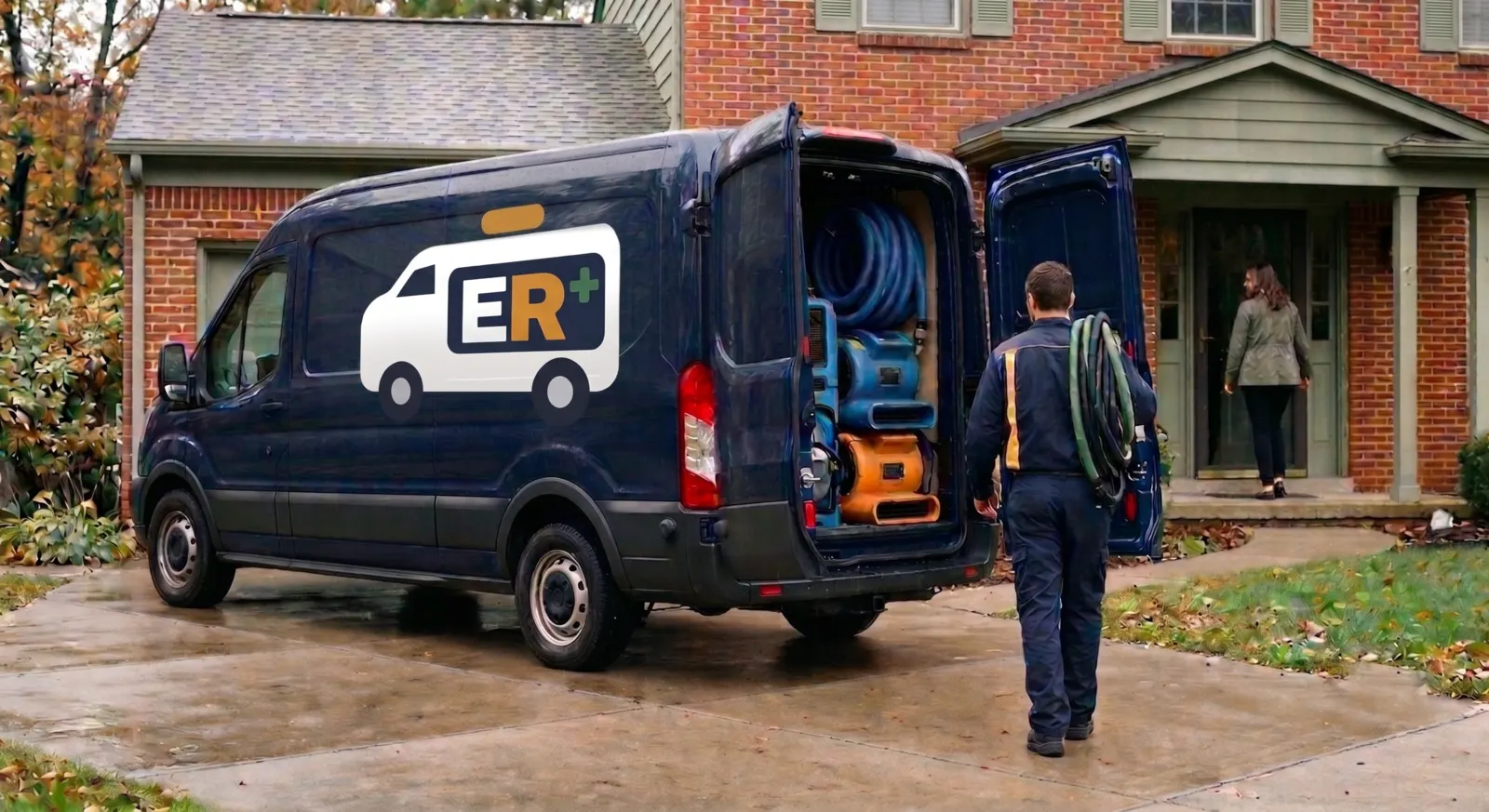
You're connected with a local mold remediation crew while you're on the line.
-
The crew confirms your inspection appointment and sets the time with you directly.
What Charlotte crews handle
What's different in Charlotte?
Charlotte catches hurricanes after landfall - tropical remnants dump inland rain that flash-floods creeks and finds every roof weakness. The metro's red clay drains slowly and holds moisture against crawl spaces, where Carolina humidity keeps mold fed year-round, and the fast-built growth stock adds new slab and attic plumbing to the risk list every year.
North Carolina policies cover storm openings and sudden failures; some carry separate wind/hail or named-storm deductibles even inland, worth checking before hurricane season. Rising water - creek, street, or storm surge remnant - is flood insurance only.
Your call goes to a crew based in the Charlotte area. Serving Charlotte, Concord, Gastonia, Huntersville, Matthews, Rock Hill, and all of Mecklenburg County.
What to know before repairs in Charlotte
North Carolina's health department, NCDHHS, treats mold as a moisture problem: its guidance says indoor mold growth can be controlled by controlling moisture, and its advice on hiring help names no state mold license or completion certificate. It notes there are no federal regulations covering professional indoor air quality services and no accepted standard for how much airborne mold is acceptable, so be wary of anyone who wants air sampling as a first step; a thorough visual inspection comes first. Ask for a contract that spells out the scope, schedule, costs and written report. NCDHHS also advises against hiring a consultant who also provides remediation. EPA says areas under about 10 square feet are usually a do-it-yourself job and that wet materials should be dried within 24 to 48 hours. Insurance questions and complaints go to the NC Department of Insurance at 855-408-1212.
Common questions
Should I test first or go straight to removal?
If mold is visible and the moisture source is obvious, go straight to remediation. Test first when mold is hidden, symptoms don't match what you can see, or you need documentation for a claim.
Is mold really that dangerous?
It's a health concern worth taking seriously - especially for kids, older adults, and anyone with asthma or allergies. Removal ends the exposure either way.
Is mold remediation covered by insurance?
Mold remediation may be covered when the mold resulted from a covered sudden water loss, often up to a separate limit. Coverage depends on the cause and your policy's mold exclusions, endorsements and limits. A covered water loss does not automatically establish coverage for mold remediation. Check your declarations page for any mold limit.