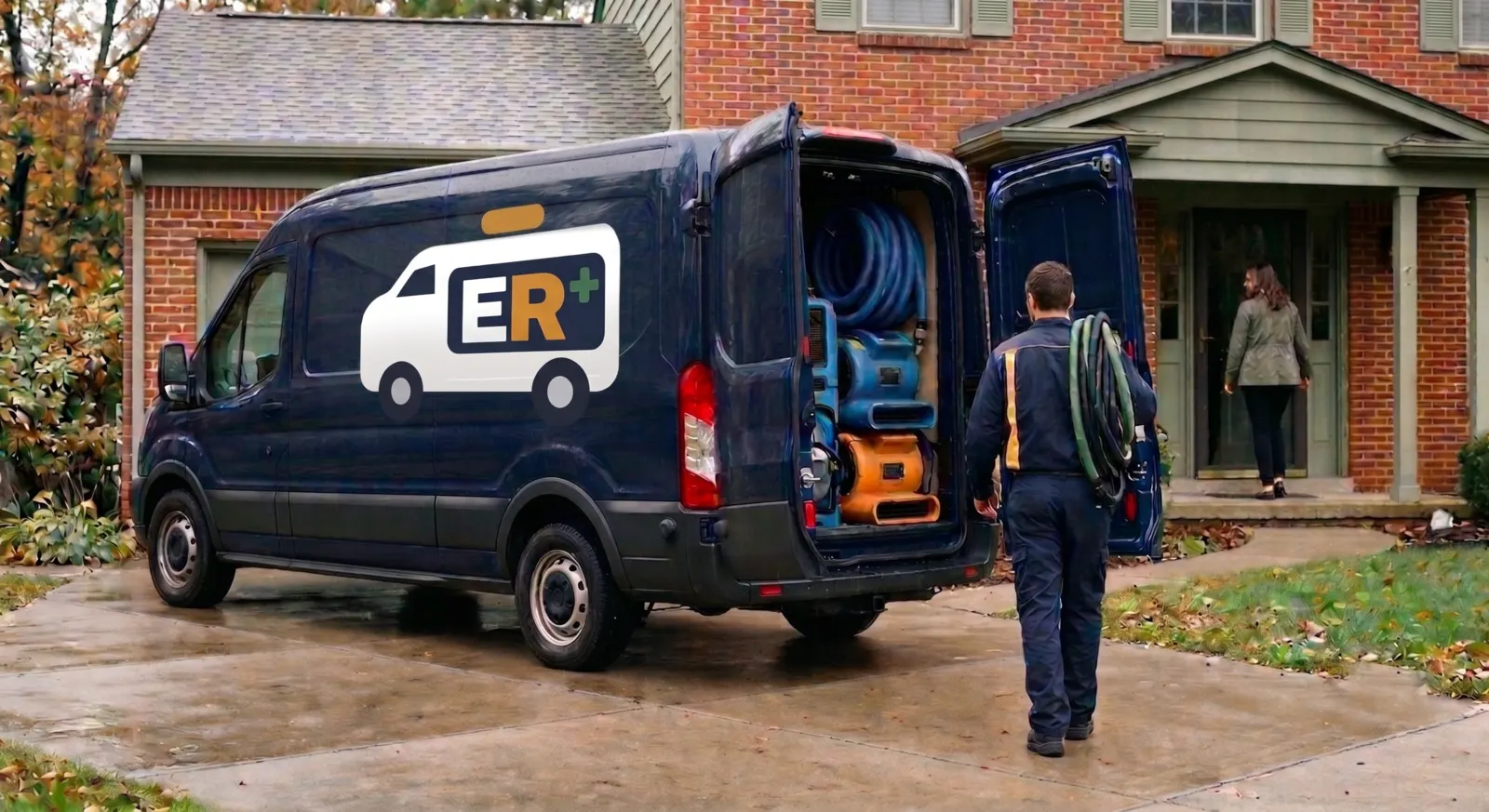
What happens when you call
-
Tell us what you're seeing. 30 seconds - where it is and how far it's spread.
-
You're connected with a local mold remediation crew while you're on the line.
-
The crew confirms your inspection appointment and sets the time with you directly.
What Atlanta crews handle
What's different in Atlanta?
Atlanta's expansive red clay holds water against foundations and crawl spaces - and crawl-space humidity keeps feeding mold long after the original leak is fixed. Severe thunderstorms and winter ice storms drop pines onto roofs across Fulton County, and older in-town neighborhoods still run galvanized supply lines at the end of their life.
Georgia policies treat wind, hail, and fallen trees as standard covered perils - including a neighbor's tree on your roof, which typically falls to your own policy first. Groundwater and crawl-space seepage, though, need flood coverage.
Your call goes to a crew based in the Atlanta area. Serving Atlanta, Decatur, Marietta, Sandy Springs, Smyrna, and all of Fulton County.
What to know before repairs in Atlanta
Georgia does not license mold assessors or remediators, and the Department of Public Health says mold inspection, testing and remediation have no enforceable state or federal standards. That means no state certificate arrives when the job ends, so build your own record: a written scope of work, moisture readings before and after, photos and an itemized invoice. Keep it with your insurance file. EPA guidance says a homeowner can usually handle an area under about 10 square feet, and that drying wet materials within 24 to 48 hours usually prevents growth. Rebuilding walls after removal still follows Atlanta's permit rules, and in a flood zone every repair needs a permit. A pattern of deceptive sales practices can be reported to the Georgia Attorney General's Consumer Protection Division; complaints about how a claim is handled go to the Office of the Commissioner of Insurance and Safety Fire.
Common questions
Should I test first or go straight to removal?
If mold is visible and the moisture source is obvious, go straight to remediation. Test first when mold is hidden, symptoms don't match what you can see, or you need documentation for a claim.
Is mold really that dangerous?
It's a health concern worth taking seriously - especially for kids, older adults, and anyone with asthma or allergies. Removal ends the exposure either way.
Is mold remediation covered by insurance?
Mold remediation may be covered when the mold resulted from a covered sudden water loss, often up to a separate limit. Coverage depends on the cause and your policy's mold exclusions, endorsements and limits. A covered water loss does not automatically establish coverage for mold remediation. Check your declarations page for any mold limit.